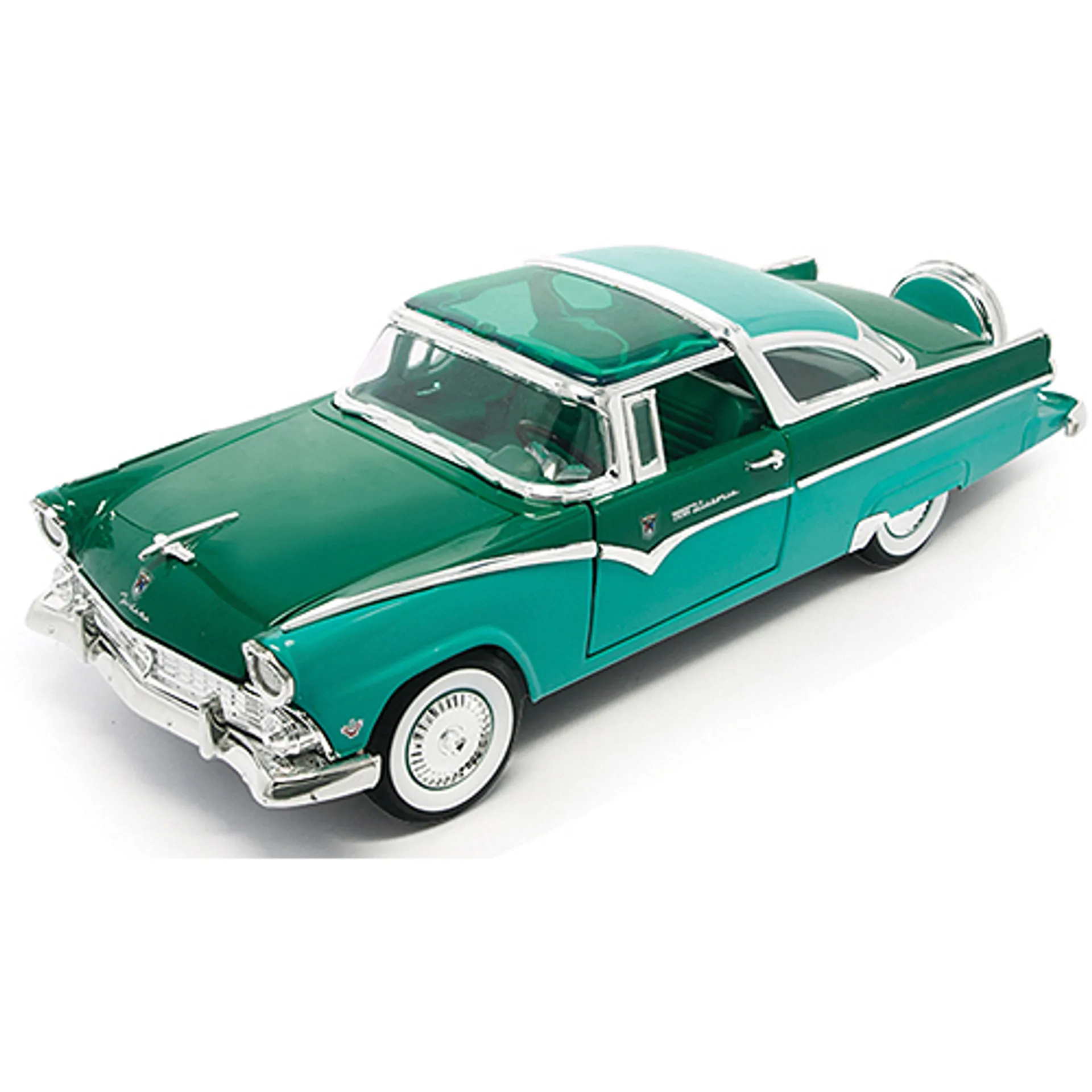
The Allure of 1950s Diecast Cars
The 1950s represent a golden era for automotive design, and this aesthetic is perfectly captured in the world of diecast cars. These miniature replicas are not just toys; they’re a tangible link to a bygone era of innovation, style, and cultural significance. Owning a 1950s diecast car allows enthusiasts to hold a piece of history, experiencing the iconic designs of the decade in a detailed, compact form. The appeal extends beyond mere nostalgia; it’s about appreciating the craftsmanship and the stories these miniature vehicles tell. From the sleek lines of a classic Cadillac to the rugged charm of a vintage pickup truck, each model encapsulates the spirit of the 1950s, making them highly sought after by collectors worldwide. This passion for these miniature marvels has fostered a thriving market, driving up their value and cementing their place as treasured artifacts of the past. The combination of historical relevance, design excellence, and the joy of collecting makes 1950s diecast cars an enduring passion for many.
What Makes 1950s Diecast Cars Collectible
Several factors contribute to the collectibility of 1950s diecast cars, creating a complex market that combines historical interest with investment potential. Understanding these elements is crucial for anyone looking to start or expand their collection. The value of a diecast car isn’t just about its age; it’s also about its condition, rarity, and the overall story it tells. Collectors are often drawn to specific models due to their historical significance, the quality of their craftsmanship, and their availability on the market. As the market evolves, some factors become more or less important, but the core elements of collectibility remain consistent. Factors such as the original manufacturer, the specific model, and even the packaging it came in can significantly influence its value. This includes the nuances of the paint, the details of the interior, and the overall feel of the model.
Factors Influencing Collectibility

Several factors elevate a diecast car’s desirability and value. The manufacturer’s reputation plays a significant role; brands like Dinky Toys, Corgi, and Tootsietoy are often associated with quality and are highly sought after. Moreover, the specific model is crucial; rare or limited-edition versions of iconic cars like the Chevrolet Corvette or Ford Thunderbird are particularly valuable. Condition is also a major factor; mint-condition cars with original packaging fetch premium prices. Finally, the presence of any unique features, such as specific paint colors, detailed interiors, or functional parts, can significantly increase a model’s desirability among collectors. All of these combined contribute to the value of a diecast model from the 1950s, making them sought-after items in the collector’s market.
Rarity and Limited Editions
Rarity and limited editions are key drivers of value in the 1950s diecast car market. Models produced in small quantities or for specific events command higher prices. Limited editions, such as those created for promotional purposes or as special releases, are particularly coveted. These models often feature unique paint schemes, special detailing, or distinctive packaging that set them apart from standard releases. The scarcity of these items creates a strong demand among collectors, who are willing to pay a premium to add them to their collections. The more limited the production run, the higher the potential value. Collectors actively seek out these rare pieces to complete their sets or to own a unique piece of automotive history. The chase for these rare cars is part of what makes collecting diecast cars so exciting.
Historical Significance
The historical significance of a diecast car significantly boosts its collectibility. Models that accurately represent iconic cars from the 1950s are highly valued. These cars symbolize the era’s optimism, technological advancement, and design innovation. Cars like the Cadillac Eldorado, the Chevrolet Bel Air, and the Ford Thunderbird are prime examples. Their historical context, combined with their artistic design, makes them incredibly appealing to collectors. These cars reflect the cultural trends, the postwar economic boom, and the changing lifestyles of the time. Collectors often view these diecast cars as miniature time capsules, allowing them to connect with the past and celebrate the enduring legacy of these classic automobiles. The historical significance of the cars adds another layer of value.
Identifying Authentic 1950s Diecast Cars

Identifying authentic 1950s diecast cars requires careful examination and attention to detail. With numerous replicas and reproductions on the market, it’s important to know how to distinguish an original from a copy. This process involves evaluating several key features, from the materials used to the paint finish and the presence of any distinguishing marks or stamps. Researching the specific model and manufacturer is also critical. Many online resources and collector guides provide valuable information about the characteristics of authentic cars. Examining the build quality, comparing it with known originals, and checking for any signs of wear and tear that match the car’s age are essential steps. The goal is to ensure that what you’re purchasing is a genuine piece of history and not a modern reproduction.
Key Features to Examine
When assessing a 1950s diecast car, several key features should be closely examined to determine its authenticity. Firstly, the material and construction of the model are crucial. Original cars were often made from die-cast metal alloys. Checking for the presence of any plastic parts, which were less common during the 1950s, can be a red flag. Furthermore, the model’s details are important. Look for the quality of the interior, the level of detail in the engine, and the accuracy of the exterior features. Finally, the overall condition of the car is an indicator; original cars show wear and tear consistent with their age. The overall finish on the car is critical to assessing authenticity.
Material and Construction
The materials and construction of a 1950s diecast car are vital for establishing its authenticity. Original models were predominantly made using die-cast metal alloys, providing weight and durability. Examining the car for the presence of plastic parts, particularly in areas where metal was typically used, can raise concerns about authenticity. The quality of the metal and the way it has aged can also be indicative of the car’s age. Older models often exhibit a certain weight and a characteristic feel that modern reproductions often lack. The build quality of the car is critical; original models had a certain attention to detail that modern reproductions may lack. The overall construction should reflect the manufacturing techniques of the 1950s. Original vehicles often have a certain weight and solid feel.
Authenticity Marks and Stamps

Authenticity marks and stamps provide definitive clues to the origin and authenticity of a 1950s diecast car. Many manufacturers, such as Dinky Toys and Corgi, included distinctive markings that can help verify the car’s provenance. These marks are usually located on the base of the car and may include the manufacturer’s name, the model number, and the country of origin. Examining these stamps requires care; the presence of a genuine stamp is a strong indicator of authenticity. Moreover, the condition of the stamp should align with the car’s age; a crisp, clear stamp on an otherwise aged car could be a warning sign. Cross-referencing these marks with known information about the manufacturer and model is essential. Original stamp details are vital to establish its authenticity.
Paint and Finish
The paint and finish of a 1950s diecast car are crucial indicators of its authenticity and condition. Original cars from this era often featured distinctive paint colors and finishes that reflect the automotive trends of the time. Examining the paint for signs of wear, such as chipping, fading, and imperfections, is essential. The paint should also have a texture and appearance consistent with the manufacturing techniques of the 1950s. Comparing the color and finish with known examples of the same model can help determine authenticity. Be wary of cars with overly bright or flawless paint jobs, as this could indicate a restoration or a modern reproduction. The paint quality can provide clues to its age.
Where to Find the Best 1950s Diecast Cars
Finding the best 1950s diecast cars requires knowing where to look and how to navigate the market. Several avenues offer opportunities to discover and purchase these valuable collectibles, each with its advantages and potential challenges. This includes online marketplaces, specialized diecast car shows, and local antique shops and dealers. The key to success lies in thorough research, patience, and a keen eye for detail. Understanding the nuances of each venue can help you maximize your chances of finding authentic, high-quality diecast cars to add to your collection. Research the different avenues before committing. Knowing where to search can save time.
Online Marketplaces and Auction Sites

Online marketplaces and auction sites like eBay and specialized diecast car platforms offer vast selections and competitive pricing. These platforms provide access to a global market, allowing you to find rare and unique models. However, it’s essential to approach these sites with caution. Always review the seller’s feedback, examine detailed photos, and ask questions about the car’s condition and authenticity. It’s also wise to research the model’s typical value to avoid overpaying. These sites are filled with many options for diecast cars. The vast selection of options can make it difficult to verify authenticity.
Specialized Diecast Car Shows
Specialized diecast car shows are a great way to see numerous cars and meet other collectors. These events bring together dealers and collectors from all over the world. They offer a hands-on experience, allowing you to examine cars up close and discuss their history with experts. Moreover, these shows are a great venue to network with other collectors, who may offer valuable advice and tips. This is also a good place to learn about diecast models. These shows are great for seeing cars.
Antique Shops and Dealers
Antique shops and specialized dealers can be excellent sources for finding 1950s diecast cars. These shops often have curated collections. Dealers typically have expertise in vintage collectibles, allowing them to assess the authenticity and condition of their items. Shopping in person allows you to inspect the car. While prices may be higher than online, you benefit from the dealer’s expertise and can usually trust in the car’s authenticity. Building relationships with dealers can also provide access to exclusive items and insider knowledge. The dealers will have plenty of information about the cars.
Caring for and Preserving Your Collection

Caring for and preserving your collection of 1950s diecast cars is essential to maintain their value and ensure their longevity. Proper storage, careful handling, and regular maintenance can help protect these delicate artifacts from damage and deterioration. This involves creating an environment that minimizes exposure to light, humidity, and extreme temperatures. Additionally, understanding how to clean and maintain your cars without causing damage is crucial. By following these guidelines, you can ensure that your collection remains in excellent condition for years. Caring for the cars will keep them looking their best.
Proper Storage and Display
Proper storage and display are crucial for preserving your 1950s diecast car collection. Ideally, cars should be stored in a cool, dry place away from direct sunlight and extreme temperatures. Consider using display cases to protect them from dust, dirt, and accidental damage. For long-term storage, individual cars should be wrapped in acid-free tissue paper to prevent scratches and tarnishing. Avoid displaying cars in areas with high humidity or fluctuating temperatures, as these conditions can cause corrosion and paint damage. Rotating your display periodically can also help prevent fading from prolonged light exposure. Proper storage will help protect the cars from damage.
Cleaning and Maintenance
Regular cleaning and maintenance are necessary to keep your 1950s diecast cars in excellent condition. Dusting your collection regularly is essential to prevent the buildup of dirt. Use a soft cloth or a specialized brush to remove dust gently. Avoid using harsh chemicals or abrasive cleaners, as these can damage the paint and finish. For more stubborn dirt or grime, use a mild soap solution and gently wipe the surface. Allow the cars to air dry completely before returning them to their display or storage. Periodic inspection for any signs of corrosion or damage is also recommended. Gentle cleaning is essential to preserve your models.