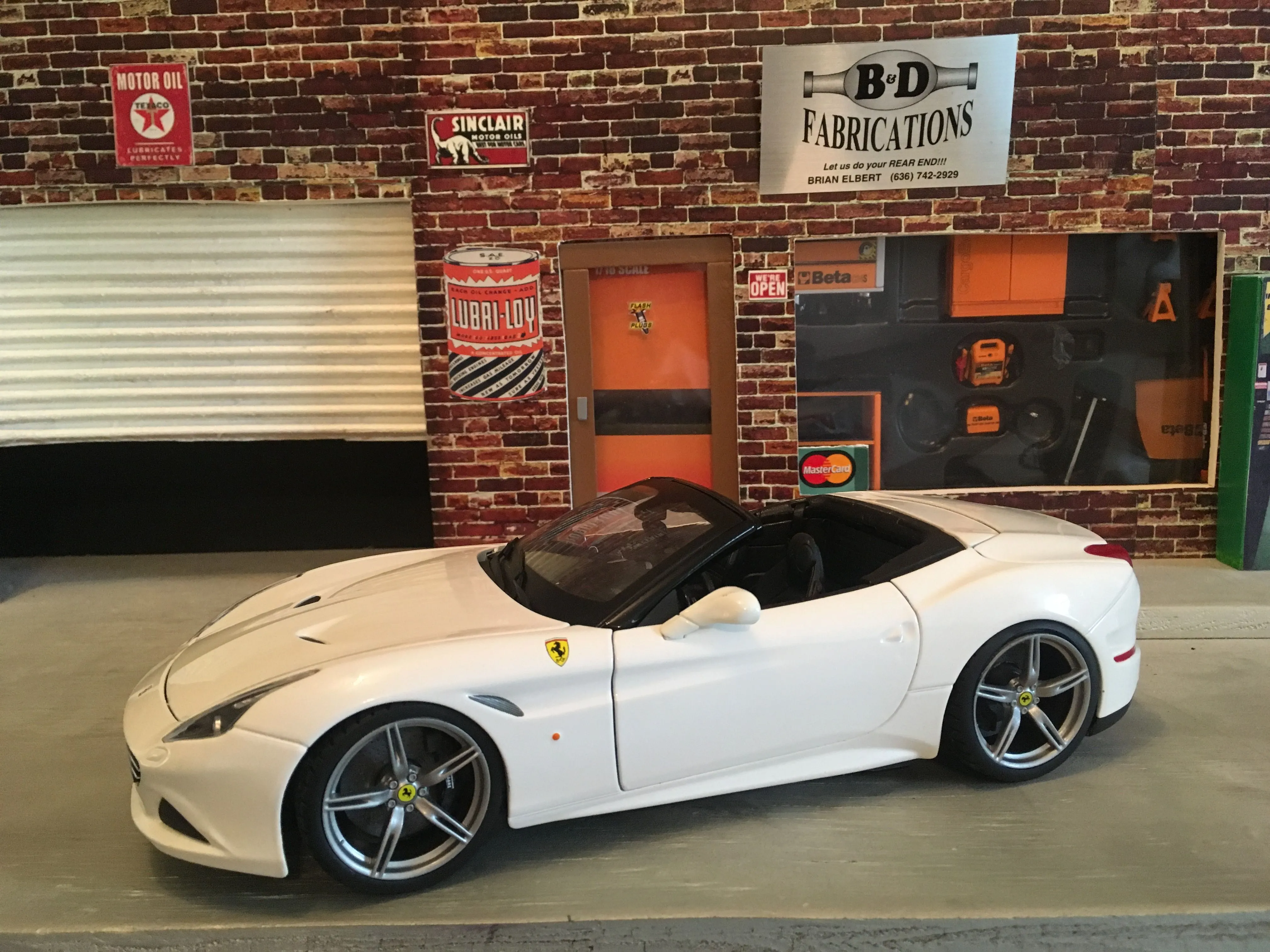
What are Custom Diecast Car Builders
Custom diecast car builders are enthusiasts who transform pre-made diecast model cars into unique, personalized creations. This hobby blends artistic creativity with technical skill, allowing individuals to express their passion for cars and design. Builders often modify every aspect of the original model, from the paint job and detailing to adding custom parts and even complete body modifications. The appeal lies in the ability to create one-of-a-kind models, whether they are based on real-life vehicles, fictional designs, or purely imaginative concepts. It’s a rewarding pursuit that combines the satisfaction of craftsmanship with the joy of collecting.
The custom diecast car builder community is vibrant and diverse, with builders of all skill levels contributing to a wide range of styles and techniques. From simple paint swaps to intricate scratch-built modifications, there’s a place for everyone. The end result is a testament to the builder’s creativity and dedication. These custom builds are often showcased online, at car shows, and in dedicated model car communities, where builders can share their work, learn from others, and foster a shared love for the hobby. This hobby allows you to build anything you want, whether it is a car you have always wanted to own, or the one from your childhood. It’s all up to you!
Tools and Materials Needed
To get started as a custom diecast car builder, you’ll need a variety of tools and materials. These can range from basic to advanced, depending on the complexity of the projects you plan to undertake. Essential tools include a hobby knife, screwdrivers (especially small sizes), pliers, and tweezers for disassembly and handling small parts. Sandpaper of varying grits, files, and a Dremel tool or rotary tool are useful for preparing surfaces, removing imperfections, and modifying parts. For painting, you’ll need an airbrush or spray cans, primer, paints in your chosen colors, clear coat, and masking tape. Additional supplies like putty, plastic cement, and various glues will be needed for modifications and assembly. Safety gear, such as a respirator, safety glasses, and gloves, is also essential to protect yourself from fumes, dust, and potential injuries.
The selection of materials is just as important as the tools. High-quality paints, such as acrylics or lacquers, are crucial for achieving a professional finish. Various detailing supplies, including decals, photo-etched parts, and aftermarket accessories (wheels, tires, spoilers), can significantly enhance the realism and visual appeal of your models. Consider investing in a good workspace with adequate lighting and ventilation to create a safe and comfortable environment. As you progress, you may want to add specialized tools like a paint booth, a parts washer, and a digital caliper for precise measurements. Remember that investing in good quality tools and materials will improve the results and the overall enjoyment of the building process. All of these will add up and enhance the detail of your project, so plan accordingly.
Choosing the Right Diecast Car

Selecting the right diecast car is a crucial first step in the customization process. Consider the scale of the model, with popular scales like 1:18, 1:24, and 1:64 offering varying levels of detail and customization possibilities. The condition of the base model is also important; a new or lightly used model provides a better starting point. Choose a car with the features you desire for your finished project. This may mean looking for specific body styles, wheel types, or interior details. The availability of aftermarket parts, such as wheels, decals, and photo-etched details, will also influence your choice. Research your chosen model to determine the ease of disassembly and the potential for modification.
The original paint job of the diecast car is another factor to consider. Darker colors may require more coats of primer to cover before painting. The level of detail in the model, like the engine and interior, will influence the complexity of your project. A basic model can be a good starting point for beginners, allowing you to practice fundamental skills like painting and detailing. For more experienced builders, models with intricate details and complex designs provide greater challenges and creative opportunities. Consider the potential for modifications; models with removable parts like doors, hoods, and trunks allow for more extensive customization. You will want to choose the model that will allow for the changes you want to make, so don’t be afraid to do some research.
Disassembly Process
The disassembly process is a critical step in preparing a diecast car for customization. Start by carefully examining the model to identify how it is assembled. Use the appropriate tools, such as small screwdrivers and hobby knives, to gently separate the parts. Begin with the easiest parts to remove, like the wheels, and work your way to more complex components. Take pictures of the original model before disassembling it to serve as a reference during reassembly. Store screws and small parts in labeled containers to prevent loss and to keep track of their locations. Be patient and take your time to avoid damaging the model. Avoid using excessive force, and be mindful of any hidden clips or glue joints. This will ensure you will be able to put it back together. If you damage it, it may be impossible to get the project back together.
Once the car is disassembled, the body and other parts can be prepped for painting. This may involve removing the original paint, which is generally accomplished by soaking the body in a paint stripper or carefully sanding it down. After removing the paint, clean the parts thoroughly to remove any residue. You will then want to inspect the model for any imperfections, such as mold lines or imperfections. Use sandpaper, files, and putty to smooth the surfaces and fill any gaps. Pay attention to details like panel lines and recesses, as these can be enhanced with custom detailing. Proper preparation ensures that the new paint adheres well and that the final result looks professional. Doing this correctly will ensure that your paint will stick and that the build will have a professional look.
Paint Preparation
Before painting, thorough surface preparation is essential for a flawless finish. Start by cleaning the disassembled parts to remove any dust, grease, or contaminants. This will ensure that the primer and paint adhere properly. Use a mild detergent or specialized degreaser. Next, apply a primer to the clean parts. Primer provides a uniform base for the paint, improves adhesion, and helps to reveal any imperfections on the surface. Apply the primer in thin, even coats, allowing each coat to dry before applying the next. Lightly sand the primer after it dries to create a smooth surface for painting. If you are going to use a primer, you will need to do it right. It is the most important part of the process as the paint will stick to this.
Once the primer is dry and sanded, you can begin the painting process. The paint should be applied in thin, even coats to avoid drips or runs. Multiple thin coats are preferable to a single thick coat. Use a paint booth or well-ventilated area to avoid dust contamination. The best paints will create an awesome finish, especially if you are using an airbrush. Allow each coat of paint to dry completely before applying the next coat. After the final coat of paint has dried, you may apply a clear coat to protect the paint and add shine. Follow the manufacturer’s instructions for drying times and recommended techniques. This may take some practice to get it correct, but it will be worth it in the end.
Painting Techniques

The painting techniques employed by custom diecast car builders vary depending on the desired finish and the tools available. Airbrushing is a popular method, offering precise control and the ability to achieve smooth, even coats. To use an airbrush effectively, practice is essential. Experiment with different air pressures, paint viscosities, and nozzle settings. Proper masking is crucial for creating clean lines and avoiding unwanted paint on areas you don’t want to paint. Using quality masking tape and masking fluids helps to prevent paint bleed. For those without an airbrush, spray cans can be used, though it may be more difficult to achieve a professional result. Practice with spray cans on a test piece to develop your technique. You will want to get the paint right as it will be the most noticeable part of your build.
Different painting techniques can be used to add depth, texture, and visual interest. Weathering effects, such as washes, dry brushing, and pigments, can simulate the look of rust, dirt, and wear. Metallic paints and candy paints can create stunning visual effects. Two-tone paint jobs and custom graphics require careful planning and masking. Decals and stencils can be used to add details like racing stripes, logos, and intricate designs. Experiment with different techniques and materials to discover what works best for you. Always take the time to prepare your work and clean your painting equipment, so you can avoid damaging your build. Don’t be afraid to experiment.
Adding Custom Details
Adding custom details to a diecast car is what truly sets it apart. The possibilities are almost endless, limited only by your imagination and skill. Many builders choose to modify the interior, adding custom seats, dashboards, and other details. Engines can be detailed with custom parts, wiring, and hoses. Wheels and tires can be swapped for more realistic or custom options. Aftermarket accessories, such as spoilers, body kits, and roll cages, can enhance the car’s appearance. Photo-etched parts, decals, and custom graphics can be used to add intricate details and logos. The detailing stage is where you can really let your creativity shine. Consider the overall theme or style of your build and choose details that complement the design.
Scratch-building is a more advanced technique that involves creating parts from scratch. This can be done using plastic sheets, rods, and other materials. Builders may choose to fabricate custom body panels, bumpers, or other unique features. The use of various materials, such as metal, plastic, and resin, can add texture and visual interest. Proper planning and careful execution are crucial for achieving professional-looking results. Ensure that all parts fit together correctly and that any modifications are consistent with the overall design. Don’t be afraid to experiment with different techniques and materials. Use the detailing stage to showcase your skills and make your custom car a true work of art. The goal is to make it your own.
Reassembly and Finishing Touches
Reassembly is the final step in the customization process, bringing all the individual parts back together. Refer to your reference photos to ensure that all parts are correctly positioned. Use the appropriate glues and fasteners to secure the components. Take your time and work methodically, paying attention to alignment and fit. Once the car is reassembled, inspect it for any imperfections. Make any necessary adjustments or touch-ups. Apply a clear coat to protect the paint and add shine. Consider adding finishing touches like window tint, license plates, and realistic details. This can include things like seatbelts, and other interior features. Be sure to clean any fingerprints or debris before considering it finished.
After reassembly, it’s time to assess the finished build. Evaluate the overall appearance, detailing, and craftsmanship. Make any final adjustments or touch-ups as needed. If you’re satisfied with the result, consider adding a base or display case to showcase your custom creation. Document your build with photos and videos. Take these to show your work and progress. If you are proud of your work, you will want to show it off, whether in a display case, or online. You will want to consider the small details, so that you have the best possible final product.
Showcasing Your Custom Build

Showcasing your custom diecast car build is a rewarding way to share your passion and connect with other enthusiasts. There are many avenues to exhibit your work, both online and in person. Start by taking high-quality photos of your finished model. Use good lighting and a clean background to highlight the details. Consider creating a dedicated online portfolio or gallery to showcase your work. Popular platforms include Instagram, Facebook, and dedicated model car forums. Share your build process, including photos and videos, to engage with the community and provide insights into your techniques. Be sure to describe the process you took and the techniques used to create your custom build.
Participate in model car shows, contests, and events to display your work and connect with other builders. Many local and regional events welcome custom builds, providing a great opportunity to showcase your craftsmanship. Consider joining model car clubs or communities to share your work and learn from others. Engage in discussions, offer advice, and support fellow enthusiasts. Share your knowledge and experience, and be open to learning from others. The custom diecast car community is known for its camaraderie and shared passion for the hobby. Showcasing your build isn’t just about displaying your work; it’s about sharing your creativity, connecting with others, and celebrating the art of custom diecast car building. This allows others to be inspired and motivated to do their own builds. If you put your heart and soul into the build, you should be proud.