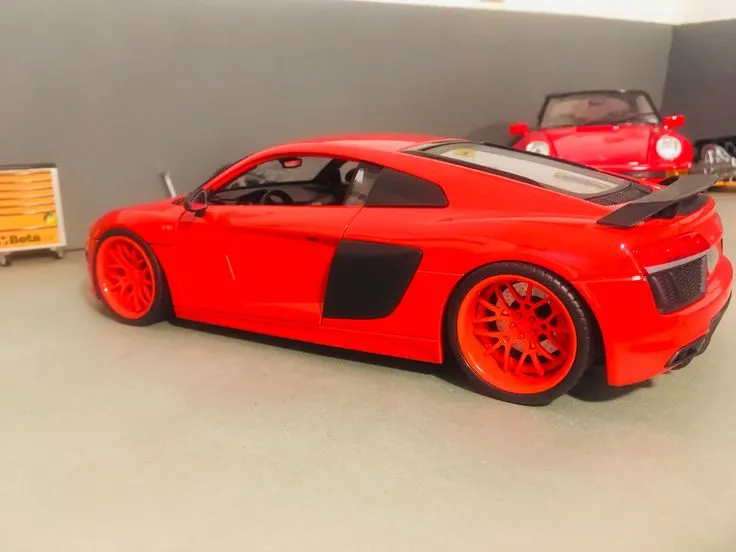
What are Custom Diecast Cars?
Custom diecast cars are miniature replicas of real-world vehicles, meticulously crafted and modified by enthusiasts to reflect their individual styles and preferences. Unlike mass-produced models, custom diecast cars are unique creations, often featuring personalized paint jobs, detailed interiors, and custom parts. These miniature masterpieces are not just toys; they are a form of art and a passionate hobby that combines creativity, craftsmanship, and a love for automobiles. The level of detail and personalization can range from subtle modifications to complete overhauls, transforming a standard diecast car into a one-of-a-kind collectible. The popularity of custom diecast cars stems from the ability to own a miniature version of a dream car, a favorite vehicle, or a unique design that reflects personal style. Each custom car tells a story, representing the passion and dedication of its creator.
The Appeal of Custom Diecast Cars
The appeal of custom diecast cars is multifaceted, drawing enthusiasts from all walks of life. For many, it’s the joy of creation and the satisfaction of transforming a blank canvas into a work of art. The process of designing, modifying, and detailing these miniature vehicles offers a creative outlet, allowing individuals to express their artistic talents and their passion for cars. Furthermore, custom diecast cars provide a sense of community. Enthusiasts connect through online forums, clubs, and events, sharing their creations, offering advice, and celebrating the hobby together. The value of custom diecast cars also lies in their collectibility. Rare or exceptionally well-crafted models can become valuable assets, appreciated for their artistry and unique characteristics. The hobby provides a bridge between creativity, community, and collecting, making custom diecast cars a rewarding pursuit for many.
Why Make Your Own?

Making your own custom diecast cars offers several advantages over simply buying them. First and foremost, it allows for complete creative control. You have the freedom to choose the model, the paint scheme, the details, and every aspect of the design, resulting in a truly personalized creation. Secondly, crafting your own custom cars is a rewarding and educational experience. It allows you to develop valuable skills in areas such as painting, detailing, and model-making, while enhancing your problem-solving abilities and attention to detail. Additionally, creating custom diecast cars provides a unique sense of accomplishment. The satisfaction of seeing your vision come to life and holding a tangible piece of art that you’ve created is unparalleled. Lastly, customizing your own cars can be a cost-effective alternative to purchasing pre-made customs, enabling you to build a collection without breaking the bank. Embrace the challenge, learn new skills, and unleash your creativity to transform ordinary diecast cars into extraordinary masterpieces.
Tools and Materials You’ll Need
To embark on your custom diecast car journey, gathering the right tools and materials is essential. Starting with tools, you’ll need a set of small screwdrivers for disassembly, hobby knives for trimming and detailing, and pliers for bending wires and removing parts. A cutting mat protects your work surface, while sandpaper of varying grits helps smooth surfaces. For painting, an airbrush or spray cans are recommended, along with masking tape and painter’s tape for precise color separation. Detailing requires fine-tipped brushes for applying intricate details, tweezers for handling small parts, and a magnifying glass to ensure accuracy. Investing in these tools upfront sets the foundation for achieving high-quality results and makes the process more enjoyable. Furthermore, the quality of your tools greatly impacts the quality of your final product. Cheap tools can hinder the work and lead to frustrating outcomes. A well-equipped workspace is the key to producing professional-looking custom diecast cars.
Essential Tools for Customization
The essential tools for custom diecast car customization form the backbone of your workshop, enabling you to perform various modifications with precision. Small screwdrivers are crucial for disassembling the car, allowing you to access and modify individual components. Hobby knives or X-Acto knives are essential for cutting, trimming, and shaping parts, while a cutting mat protects your work surface from damage. Pliers, especially needle-nose pliers, are indispensable for bending wires, removing parts, and handling delicate components. Sandpaper of varying grits is required for smoothing surfaces, preparing them for painting, and removing imperfections. An airbrush or spray cans, along with masking tape and painter’s tape, allow you to achieve professional-looking paint finishes. Detailing requires fine-tipped brushes for applying intricate details and tweezers for handling small parts. A magnifying glass is a helpful addition to ensure accuracy and precision. These tools, used correctly, elevate the quality of your custom diecast cars.
Materials for Detailing and Painting

Selecting the right materials is critical for achieving a stunning and durable finish on your custom diecast cars. For painting, high-quality acrylic paints specifically designed for model cars are recommended. These paints offer excellent coverage, durability, and are available in a wide array of colors. Consider investing in a variety of paint finishes, such as gloss, matte, and metallic, to add depth and realism to your models. Masking tape and painter’s tape are essential for creating clean lines and precise color separations. For detailing, various materials can be used to enhance realism. Fine-tipped paint pens and markers can be used for adding details. Consider using thin wires or photo-etched parts for intricate detailing such as grilles, emblems, and trim. Decals can be used for adding logos, graphics, and details. Clear coats and varnishes protect the paint and add a professional finish. Choosing the right materials, combined with proper techniques, will ensure the longevity and visual appeal of your custom creations.
Step-by-Step Guide to Making Custom Diecast Cars
Creating custom diecast cars is a rewarding process that requires careful planning and execution. The journey from a stock model to a personalized masterpiece involves several key steps. Each step builds upon the previous one, contributing to the overall aesthetic and quality of the final product. Following a well-defined process increases your chances of success and helps avoid common pitfalls. From disassembly to reassembly, each stage offers opportunities to learn, improve, and express your creativity. With patience and attention to detail, you can transform ordinary diecast cars into extraordinary pieces. The following guide will take you through the fundamental steps necessary to create custom diecast cars.
Step 1: Disassembly and Preparation
The first step in customizing a diecast car is disassembly and preparation. Carefully remove all parts from the car, including the chassis, interior, windows, and any other removable components. Take note of how the parts are connected, as this will be helpful during reassembly. Cleaning the body of the car is a must. Use a mild detergent and warm water to remove any dirt, oil, or grease. Sanding the surface is also important, as it helps the paint adhere properly. Use sandpaper of varying grits, starting with a coarser grit to remove any imperfections. Before moving on, make sure all parts are clean, dry, and ready for the next step. The quality of your prep work directly impacts the final result. A well-prepared surface will ensure a smooth, even paint finish, which is critical for the overall aesthetic of your custom diecast car. Careful disassembly and preparation sets the stage for the rest of the customization process.
Step 2: Design and Planning

Before you begin painting and detailing, a well-thought-out design plan is essential. Consider the overall look and feel of your custom car, whether you’re aiming for a classic, modern, or unique style. Sketching your design on paper allows you to visualize the final product and helps you plan the color scheme, graphics, and any other custom elements. Choose a color palette that complements the car’s lines and features. Think about using multiple colors and experimenting with different paint finishes, such as gloss, matte, or metallic. Gather inspiration from real-life cars, online forums, or other custom diecast models. Researching techniques and the availability of specific materials can help you execute your design. Having a clear design plan saves time, minimizes mistakes, and ensures a cohesive and visually appealing final product. Plan all the details, from the wheels to the interior, to bring your vision to life.
Step 3: Painting and Detailing
Painting and detailing are where your custom diecast car begins to take shape. Start by applying a primer to the car’s body to create a smooth, even surface for the paint. Allow the primer to dry completely before applying the base coat of paint. Use an airbrush or spray cans to achieve an even coat. Once the base coat is dry, carefully apply any graphics or decals. Use masking tape to create clean lines and precise color separations. For detailing, use fine-tipped brushes to add details such as window trim, door handles, and other fine elements. Apply clear coats or varnishes to protect the paint and add a professional finish. Let each coat dry completely before applying the next one to prevent smudging and ensure a smooth, durable finish. The patience and precision used here will determine the final appearance of your custom diecast car. Carefully executed painting and detailing bring the design to life.
Step 4: Reassembly and Finishing Touches
Once the paint and detailing are complete, it’s time for reassembly and finishing touches. Carefully reassemble all the components of the car, paying attention to how they fit together. Ensure that all parts are properly aligned and secured. Check the wheel alignment and adjust if necessary to ensure smooth rolling. Consider adding any final details, such as license plates, custom wheels, or interior modifications. Clean the windows with a soft cloth to remove any dust or fingerprints. A final inspection is essential to check for any imperfections or areas that need further attention. Take photos of your finished custom diecast car to document your work and share it with the community. Enjoy the satisfaction of seeing your custom creation come to life and the opportunity to display your finished product. Careful reassembly and attention to the finishing touches complete the transformation.
Techniques for Customizing Diecast Cars

Mastering various techniques is crucial for achieving professional-looking results in custom diecast car customization. Proper paint application is fundamental, and techniques include using an airbrush for even coverage, layering coats for depth, and mastering masking for precise color separations. Detailing techniques involve using fine-tipped brushes and pens to add intricate details to the interior, engine bay, and exterior. Weathering techniques, such as dry brushing and washes, can add realism by simulating dirt, rust, and other wear effects. Decal application requires careful positioning and using setting solutions to ensure the decals conform to the model’s surface. Sanding and polishing are important for smoothing surfaces and creating a flawless finish. Understanding and applying these techniques requires practice, experimentation, and a willingness to learn from your mistakes. With practice, you will increase your ability to create custom diecast cars.
Painting Techniques for a Professional Finish
Achieving a professional finish in custom diecast car painting requires a combination of skill, technique, and quality materials. Proper surface preparation is paramount. This includes cleaning, sanding, and priming the car’s body to provide a smooth, even base for the paint. Mastering airbrush techniques is essential for achieving an even paint application. Practice controlling the airbrush’s pressure and flow rate to avoid runs, drips, and orange peel effects. Using multiple thin coats of paint instead of one thick coat will result in a smoother, more durable finish. Masking is a critical skill for creating clean lines and precise color separations. The order of applying colors should be planned to ensure accuracy. Clear coats and varnishes provide protection for the paint and add shine or a matte finish. These layers protect the paint from scratches and enhance the model’s overall appearance. The professional touch requires an attention to detail, a patient approach, and a dedication to perfecting your craft.
Detailing Techniques for Realistic Models
Detailing is essential for bringing realism and visual interest to custom diecast cars. Techniques range from applying fine details with paintbrushes to adding custom accessories. Consider using photo-etched parts, which offer intricate details for grilles, emblems, and other exterior features. Detailing techniques can include adding individual panel lines using washes and highlighting them to create depth. The engine bay can be enhanced with detailed wiring, hoses, and other components. Interior detailing can include adding custom seats, dashboards, and seatbelts. Realistic weathering can be achieved using dry brushing and washes to simulate dirt, rust, and wear effects. Adding additional details can elevate your custom creations. Practice and experimentation will improve your skills. A well-detailed model is truly a work of art.
Common Mistakes to Avoid

Even experienced customizers face challenges. Avoid common mistakes to ensure a successful project. Rushing the process is a frequent pitfall. Patience is key, particularly during surface preparation, paint application, and detailing. Insufficient surface preparation is another common error. Failing to clean, sand, and prime the car’s body can lead to paint adhesion issues and an uneven finish. Using the wrong type of paint or incompatible materials can lead to poor results. Always use paints and materials specifically designed for model cars. Neglecting to plan your design can result in a disjointed appearance. Sketch your design on paper beforehand. Applying paint too thickly can cause runs, drips, and other imperfections. Apply several thin coats of paint, allowing each coat to dry completely before applying the next. Taking the time to avoid these common pitfalls will elevate the quality of your work.
Where to Find Inspiration and Resources
Finding inspiration and accessing resources is essential for custom diecast car enthusiasts. Online platforms like Pinterest, Instagram, and YouTube are invaluable resources. These platforms feature galleries and tutorials, from expert customizers. Exploring model car forums and online communities is a great way to connect with fellow enthusiasts. Join discussions, ask questions, and share your creations. Attend model car shows and swap meets, which provide opportunities to see custom cars. Visit local hobby stores, which are often a great source for supplies and advice. Subscribe to model car magazines, and read books and guides on custom diecast car making. Surrounding yourself with the hobby is a great way to grow. Embrace the creative process and find what sparks your imagination.
Online Communities and Forums
Online communities and forums are vibrant hubs for custom diecast car enthusiasts, offering a platform for sharing knowledge, inspiration, and support. Forums like DiecastSociety.com and ScaleModelCars.com host extensive discussions. Participate in discussions, ask questions, and share your own projects. These communities provide a place to learn from experienced customizers. Share photos of your work, and solicit feedback from others. You can get the latest news and trends. Following customizers on Instagram and YouTube allows you to see their work, view tutorials, and stay inspired. Joining online groups provides a wealth of resources and opportunities to connect with fellow enthusiasts. The online community allows newcomers and experts alike.
Books and Guides on Diecast Car Customization
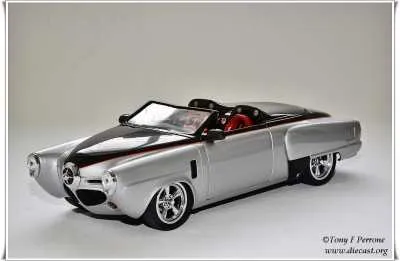
Books and guides offer valuable resources for custom diecast car enthusiasts, providing in-depth knowledge, techniques, and inspiration. Books offer detailed step-by-step instructions. Many books feature case studies. Search for books on model car painting, detailing, and customization techniques. Look for guides that offer advanced tips and tricks for achieving professional results. Reading books on this subject can enhance your techniques. Some books focus on specific customization styles. Explore resources such as magazines and online tutorials for new information. With these resources, you can improve your custom diecast cars.