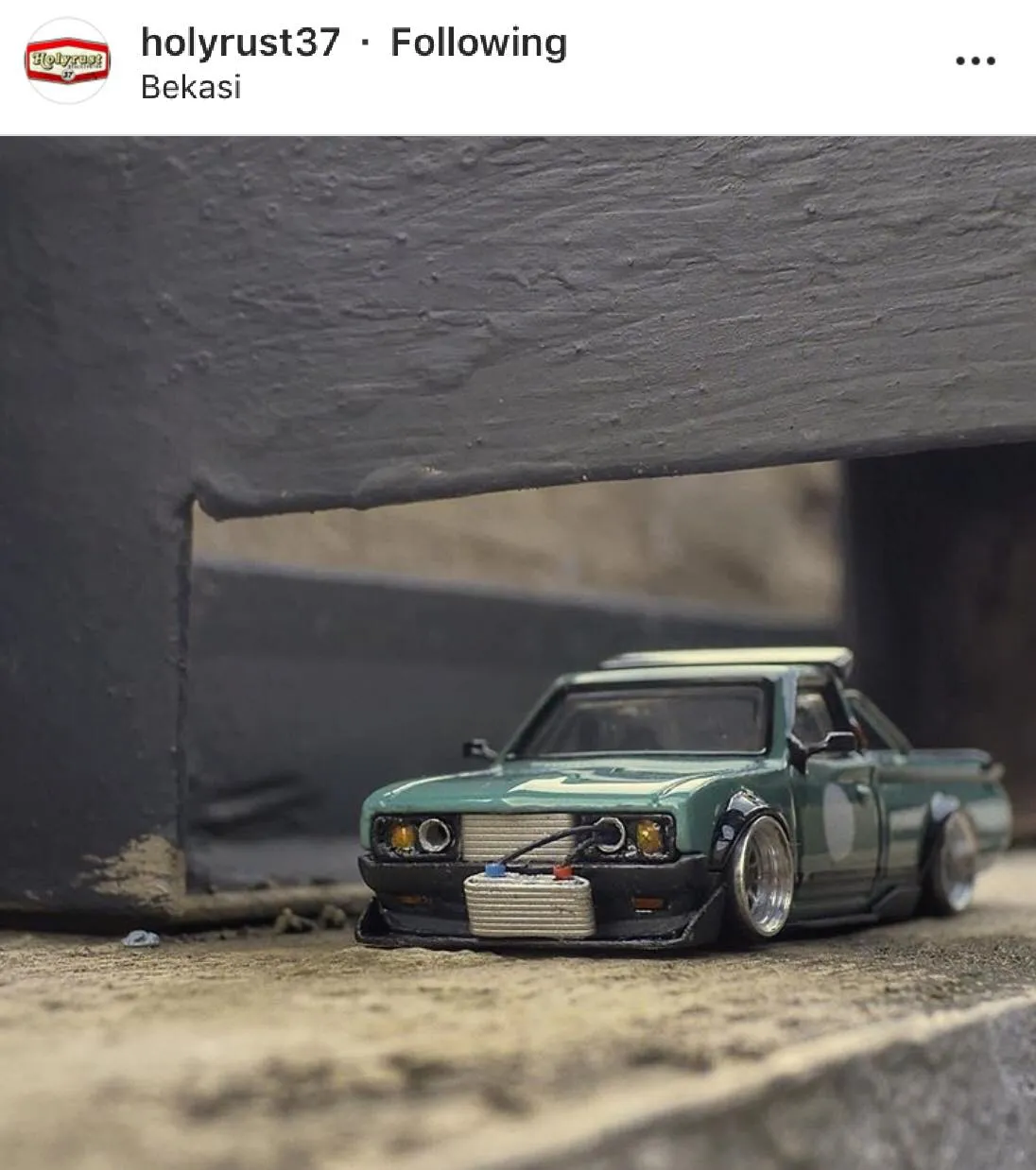
What Are Custom Diecast Supplies
Custom diecast supplies encompass everything needed to transform a standard diecast model into a unique, personalized piece. This hobby caters to enthusiasts who enjoy the intricate process of modifying and detailing miniature vehicles. The supplies range from basic tools like screwdrivers and pliers to advanced materials such as custom paints, decals, and specialized detailing parts. The goal is to create a miniature replica that reflects a collector’s specific vision, whether it’s a particular car, a race vehicle, or a custom design. Understanding the types of supplies available is the first step toward creating your own custom diecast masterpieces. The world of custom diecast supplies is vast and varied, offering countless possibilities for personalization.
Essential Tools and Materials
Getting started with custom diecast requires a fundamental set of tools and materials. Start with a good set of small screwdrivers (Phillips head and flathead) to disassemble the model. Precision knives and hobby blades are essential for cutting and trimming parts. A cutting mat protects your work surface and provides a clean area. High-quality paints, primers, and clear coats designed for models are crucial. Consider acrylic paints for ease of use and cleanup. Brushes of various sizes are needed for painting details. Sandpaper and files help prepare surfaces and remove imperfections. Super glue and epoxy are useful for assembling and attaching parts. Finally, invest in a well-lit workspace to improve visibility and reduce eye strain. These are the basic items you need to get started, and your collection will grow as your skills increase.
Choosing the Right Diecast Models

The selection of the right diecast model is fundamental to the customization process. Start with models that appeal to your personal taste and customization goals. Consider the scale; the most common scales are 1:18, 1:24, and 1:43. Larger scales offer more detail and are easier to work with, but also take up more space. Inspect the model for potential areas of improvement, such as the quality of the paint job and the accuracy of the details. Look for models with features you want to customize, such as opening doors, hoods, or trunks. Avoid models with excessive glued parts, as they can be difficult to disassemble. Research the availability of aftermarket parts and decals for the model you choose. This will greatly enhance your customization capabilities. Good choices usually include classic cars, race cars, or those with a unique design that inspires creativity. Choosing the right model sets the stage for a successful project.
Sourcing High-Quality Supplies
Sourcing the right custom diecast supplies is crucial for achieving professional-looking results. Several online retailers specialize in model-making supplies, offering a wide array of paints, tools, and aftermarket parts. Look for reputable brands known for quality and durability. Check online reviews and forums to get feedback from other modelers. Local hobby shops can be a great resource for hands-on advice and immediate access to supplies. When purchasing paints, make sure they are compatible with the model’s materials and intended finishing techniques. Consider the type of paint, such as acrylics, enamels, or lacquers, and their respective advantages and disadvantages. Invest in high-quality brushes and applicators to minimize brushstrokes and ensure smooth paint application. Don’t hesitate to experiment with different suppliers to find the best balance of quality and price. The right supplies make all the difference in the outcome of your customization project.
Preparing Your Workspace
A well-organized workspace is critical for a smooth and enjoyable diecast customization experience. Choose a well-lit area with ample space to spread out your tools and materials. A desk or table covered with a cutting mat is ideal for protecting your surface and providing a clean workspace. Keep your tools organized, perhaps using a tool tray or drawer. This will keep them readily available. Proper ventilation is essential, especially when working with paints and solvents. Consider using a spray booth to contain paint fumes and overspray. Good lighting is also crucial, preferably with a combination of natural light and task lighting. Ensure the workspace is free from distractions and interruptions. This helps maintain focus and reduce the risk of making mistakes. A tidy workspace not only improves efficiency but also enhances your overall enjoyment of the hobby. Proper preparation is key to a successful project.
Detailed Step-by-Step Guide to Customizing

Disassembly and Preparation
The first step is to carefully disassemble the diecast model. Start by removing the screws holding the model together. Use the appropriate screwdrivers, and be gentle to avoid stripping the screws. Once the model is disassembled, separate the body, interior, and other components. Remove any existing paint using a suitable paint stripper, or by carefully sanding the surface. This step is essential for the new paint to adhere properly. Clean all parts thoroughly to remove any dust or debris. Use a mild detergent and water, then allow the parts to dry completely. Inspect the parts for any imperfections or flaws that need to be addressed before painting. Fill any gaps or seams with putty or filler, and then sand the surfaces smooth. This thorough preparation ensures a flawless final finish.
Painting Techniques and Tips
Painting is the core of most customization projects. Begin by priming the model parts to provide a good base for the paint. Apply thin, even coats of primer, allowing each coat to dry completely before applying the next. Use a spray gun for best results, but aerosol cans can also work if applied carefully. Once the primer is dry, lightly sand the surfaces to remove any imperfections. Apply the base coat of paint in thin, even layers. Multiple thin coats are better than one thick coat, which can lead to runs or drips. Allow the paint to cure completely before applying clear coats for added protection and shine. Consider using different painting techniques such as airbrushing for detailed work or weathering effects to enhance realism. Practice and patience are key to mastering the art of painting diecast models. Ensure to work in a dust-free environment to avoid imperfections.
Decaling and Detailing

Decaling and detailing add the finishing touches to your custom diecast model. Decals can be used to add logos, stripes, and other graphics. Carefully cut out the decals and soak them in water to release them from the backing paper. Position the decals on the model’s surface, using decal setting solutions to help them conform to curves and details. After the decals are dry, apply a clear coat to seal them and protect them from damage. Detailing involves adding small features to enhance the model’s realism. This might include adding engine details, interior components, or exterior accessories. Use fine-tipped brushes and detail paints to add these elements. Patience and a steady hand are essential for successful detailing. These steps transform the model into a truly unique and personalized piece.
Reassembly and Finishing Touches
Once all the painting, decaling, and detailing are complete, it’s time to reassemble the model. Carefully put the parts back together, using the original screws or appropriate adhesives. Take your time to ensure everything fits correctly. Clean any excess glue or paint from the model’s surfaces. Apply a final clear coat to protect the finish and give it a polished look. Inspect the model for any imperfections or areas that need further attention. You might also add additional details like custom wheels or tires. Reassembly is the final step, bringing your custom diecast to life. The finished model should be a testament to your skills and creativity.
Advanced Customization Techniques
Modifying Body Panels

Modifying body panels allows for a higher degree of customization. This can involve cutting, reshaping, or adding new parts to change the model’s appearance. Using a Dremel tool with various cutting and sanding attachments, you can reshape fenders, add scoops, or modify the model’s stance. Plastic sheet and putty can be used to add new details or fill gaps. These techniques can transform a model into something unique and personalized. However, these techniques require more advanced skills and a good understanding of the materials. It is important to take your time and make precise cuts. Practice on scrap materials first to improve your skills. Remember to use safety glasses when working with power tools.
Engine and Interior Detailing
Engine and interior detailing take your custom diecast models to the next level. Engine detailing involves adding realistic features such as wiring, hoses, and other components. Use fine-gauge wires and tubing to replicate these details. Paint the engine parts in appropriate colors to match the actual engine. Interior detailing focuses on enhancing the cockpit. This includes adding details to the seats, dashboard, and other interior features. Use photo-etched parts, aftermarket accessories, and detailed paints to create a realistic interior. These details bring realism and authenticity to the model. Engine and interior detailing require patience and attention to detail, but they can significantly improve the overall quality of your custom diecast models. These additions make the model look less like a toy and more like a scale replica.
Adding Custom Wheels and Tires
Adding custom wheels and tires can dramatically change the look of a diecast model. There are many aftermarket wheel and tire sets available, or you can create your own. When choosing wheels, consider the style, size, and fitment to achieve the desired look. Choose tires with realistic tread patterns and sidewall details. You may need to modify the model’s suspension or wheel wells to accommodate larger wheels and tires. This often involves cutting and modifying the existing parts. Once the wheels and tires are installed, the model’s overall stance will transform. Research the different styles to choose the best ones. This aspect of customization enables further personalization and adds to the aesthetic of the model. Custom wheels and tires are a great way to add a personal touch.
Maintaining and Displaying Your Collection

Cleaning and Care
Maintaining your custom diecast models involves proper cleaning and care. Dust your models regularly with a soft brush or cloth to prevent dust buildup. Avoid using harsh chemicals or abrasive cleaners, which can damage the paint and decals. Handle your models with care, avoiding direct sunlight and extreme temperatures. Store your models in a dust-free environment. For more thorough cleaning, use a mild soap and water solution. Gently clean the surfaces and wipe them dry with a soft cloth. Proper care extends the life of your models and keeps them looking their best. Following these simple steps will keep your models in excellent condition for years to come. Regular maintenance ensures your collection remains pristine.
Display Options
Displaying your custom diecast models is an essential part of the hobby. There are several ways to display your models, from individual display cases to custom-built shelving units. Clear display cases offer protection from dust and damage. Choose display options that complement your models and showcase your collection. Consider the size and number of models you want to display when selecting your display options. Proper lighting can enhance the appearance of your models. Use LED spotlights or display cases with built-in lighting. Arrange your models in an organized and visually appealing way, considering their scale, style, and the overall aesthetic. Displaying your models is a rewarding way to show off your work and share your passion. Your display should reflect your personal style and the unique details of your collection.