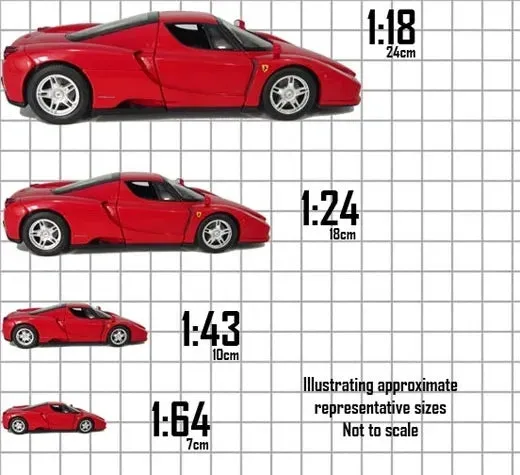
Understanding Diecast Car Scales
Diecast cars, miniature replicas of real-life automobiles, have captivated collectors and enthusiasts for decades. One of the most crucial aspects of diecast car collecting is understanding scales. A diecast car size chart provides a standardized system for representing the proportions of the original vehicle in a smaller form. This guide will delve into the intricacies of diecast car scales, helping you choose the right scale for your collection and appreciate the meticulous detail that goes into these miniature marvels. Understanding the size chart is paramount whether you’re a seasoned collector or a newcomer. This knowledge allows you to make informed decisions about which models to acquire, how to display them, and how they’ll fit within your available space. Furthermore, a grasp of the scales enhances your appreciation for the craftsmanship involved in replicating the original vehicles.
What is a Diecast Car
Diecast cars are miniature replicas of vehicles, typically made using a die-casting process. This involves injecting molten metal, usually zinc alloy, into a mold to create the car’s body. The process allows for intricate detailing and accurate representation of the original vehicle’s design. Diecast cars come in various scales, each representing a specific ratio between the model car and its full-size counterpart. These scales are crucial for determining the size of the model and are a cornerstone of the collecting hobby. The quality of diecast cars can vary significantly, from basic models intended as toys to highly detailed, premium models that are sought after by collectors. These premium models often feature meticulously replicated interiors, working parts, and authentic paint finishes, making them miniature works of art. The attention to detail distinguishes a good diecast from a great one, and scale is fundamental in appreciating this level of precision.
Why Scale Matters in Diecast Collecting

The scale of a diecast car is paramount for several reasons, all impacting the collector’s experience. Scale dictates the size of the model, influencing storage needs, display options, and the level of detail that can be incorporated. A larger scale model, like 1:18, allows for more intricate detailing, making it appealing for collectors valuing realism. Scale also affects how models are displayed. A collector might have a dedicated display case or shelf, and the scale will determine how many models can be showcased. Furthermore, scale plays a vital role in the authenticity of the collection. Consistency in scale can create a visually appealing and organized display, enhancing the collector’s overall satisfaction. Ultimately, the scale is a fundamental aspect of the hobby, influencing the buying decisions, the display, and the overall enjoyment of diecast car collecting.
Popular Diecast Car Scales
Several scales dominate the world of diecast car collecting, each with its own advantages and appeal. These scales provide a standardized framework for manufacturers, allowing collectors to easily compare and appreciate models from different brands. The most popular scales are 1:18, 1:24, and 1:43, offering a range of sizes to cater to diverse preferences and display needs. Other scales, such as 1:64 and 1:12, also have their dedicated collectors. Understanding the nuances of each scale is essential to building a well-rounded collection. Each scale offers a unique balance of detail, size, and cost, making it imperative for collectors to consider what best suits their desires. The following sections will delve into each of the most popular scales, providing a comprehensive overview to guide you.
1 18 Scale Diecast Cars
1:18 scale diecast cars are among the most popular choices for collectors. A 1:18 scale model is one-eighteenth the size of the real car. This scale offers a good balance between size and detail. 1:18 scale models are large enough to showcase intricate details, such as engine components, interior features, and working doors. This makes them highly attractive to enthusiasts seeking a realistic representation of their favorite vehicles. The larger size also allows for a more prominent display. However, the larger size requires more space for display and storage. These models often come with a higher price tag due to the level of detail and larger manufacturing requirements. 1:18 scale models are a great choice for those who value detail and have the space to display their collections effectively.
1 24 Scale Diecast Cars

1:24 scale diecast cars are also widely collected and provide a slightly smaller option compared to 1:18. A 1:24 scale model is one-twenty-fourth the size of the actual car. This scale is a popular choice, offering a good compromise between detail and size. 1:24 scale models still allow for considerable detail, including interiors, opening features, and detailed exterior elements. They are generally more affordable than 1:18 scale models. The smaller size makes them easier to display and store, making them appealing for collectors with limited space. 1:24 scale is a great entry point for new collectors, and they are widely available across many different vehicle makes and models, further contributing to their popularity. For a balance of detail, affordability, and display convenience, 1:24 scale models are a compelling option.
1 43 Scale Diecast Cars
1:43 scale diecast cars are another popular choice, known for being a smaller and often more accessible option. A 1:43 scale model is one-forty-third the size of the original vehicle. This scale is ideal for collectors with limited space, as it allows for a larger number of models to be displayed in a smaller area. While the detail level is slightly less than in larger scales, manufacturers still manage to incorporate impressive details, particularly in premium models. The compact size makes them perfect for dioramas and complex display arrangements. 1:43 scale cars are also generally more affordable, allowing collectors to build a diverse and extensive collection without a significant financial commitment. This scale is popular among those interested in historic racing cars and model railway enthusiasts.
Other Common Diecast Scales
Besides the core scales discussed above, there are other scales used in diecast car production. 1:64 scale, often associated with Hot Wheels and Matchbox cars, is extremely popular due to its small size and affordability. These models are great for casual collectors and those with limited display space. 1:12 scale, on the other hand, is one of the larger scales and is favoured by collectors who prioritize intricate details. These larger models often include a high level of detail and complexity, including the most minute features. Other scales like 1:10, 1:25, and 1:50 also exist. These less common scales tend to cater to specific collecting interests. When selecting which scales to collect, understanding how they fit with your personal collecting preferences will greatly improve the overall experience.
How to Read a Diecast Car Size Chart
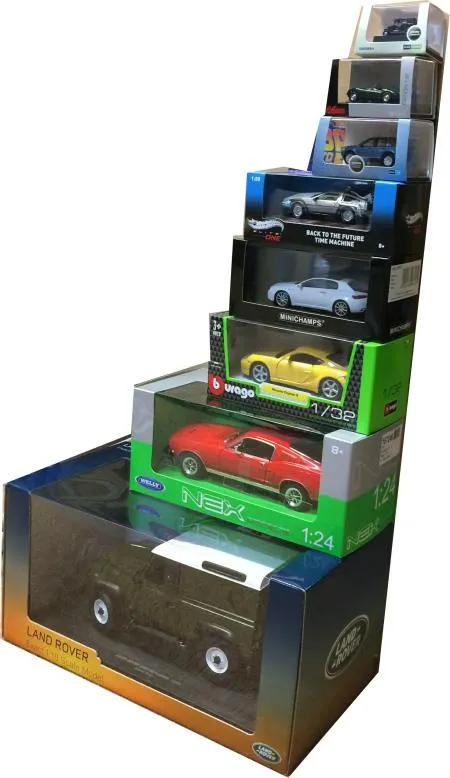
Diecast car size charts are essential tools for collectors. They help visualize the relative sizes of models across different scales and determine how much space is needed for display. A typical size chart will list the scales, such as 1:18, 1:24, and 1:43, along with the corresponding dimensions for a standard vehicle, such as length, width, and height. This allows collectors to compare the sizes of different models and determine how they would fit within their display areas. Charts may also include conversion factors to calculate the actual size of a model based on its scale. By consulting a size chart, you can easily see how the dimensions change between different scales. This is extremely helpful when planning a collection or purchasing models online, as the dimensions provide an accurate representation of the size before you acquire a model. Using a size chart helps ensure you’re making an informed purchasing choice.
Finding the Right Scale for Your Collection
Choosing the right scale for your diecast car collection is a personal decision, guided by individual preferences, available space, and budget. There is no single “best” scale, but understanding the factors that influence your decision will help you make a choice that suits your collecting style. Several aspects require careful consideration, from how much room is available for the models to the types of vehicles you like. The scale you select is fundamental to the enjoyment of your collection.
Factors to Consider
When selecting a scale, collectors should consider several key factors. These will dictate the best choice for your collection. Evaluating these aspects ensures that you choose a scale that aligns with your collecting goals and resources. These include the following sub-factors.
Space Availability

Space is often the primary consideration. Collectors with limited space might find smaller scales, such as 1:43 or 1:64, more practical. These scales allow for displaying a larger number of models without requiring a large display area. If you have ample space, you might choose larger scales, like 1:18, which allow for greater detail and visual impact. Assessing your available space and how you intend to display your collection will help you narrow down your options. Consider where you plan to display the cars—shelves, display cases, or entire rooms—as this will affect the scale choice.
Personal Preferences
Personal preference is also a crucial factor. Some collectors prioritize detail and realism, which may lead them to larger scales where greater detail is possible. Others might value variety and affordability, making smaller scales, such as 1:64, more appealing. Consider what you find most appealing about diecast cars. Do you enjoy examining intricate engine details, or are you more interested in the overall look and feel of a specific vehicle? Consider the types of vehicles you like to collect. Some scales may offer a wider selection of your preferred cars. Your personal collecting style will play a significant role.
Budget
Budget is a practical consideration. Larger scale models are generally more expensive due to higher production costs and complexity. If you have a limited budget, smaller scales provide a more affordable way to build a collection. Smaller scales have a more accessible entry price, allowing you to collect more models. Set a realistic budget before you start collecting, taking into account the cost of the models, any display cases, and other accessories. If you are on a budget, look for value by comparing prices across different scales and brands. Finding a balance between your budget and the scale you wish to collect will ensure long-term enjoyment.
Tips for Choosing the Right Scale

Choosing the right scale involves balancing personal preferences with practical considerations. Consider visiting local diecast car shows or shops to see the models in person. This will help you better understand the different scales and how they look. Start with one scale and build your collection around it. This ensures a cohesive and organized display. Don’t be afraid to mix scales within your collection, but be mindful of the display to ensure a visually appealing arrangement. Research the availability of models in each scale, especially for the specific types of vehicles you are interested in. This will make it easier to source what you are looking for. Ultimately, collecting diecast cars is about enjoying the hobby. Choose the scale that gives you the most satisfaction and aligns with your collecting goals.