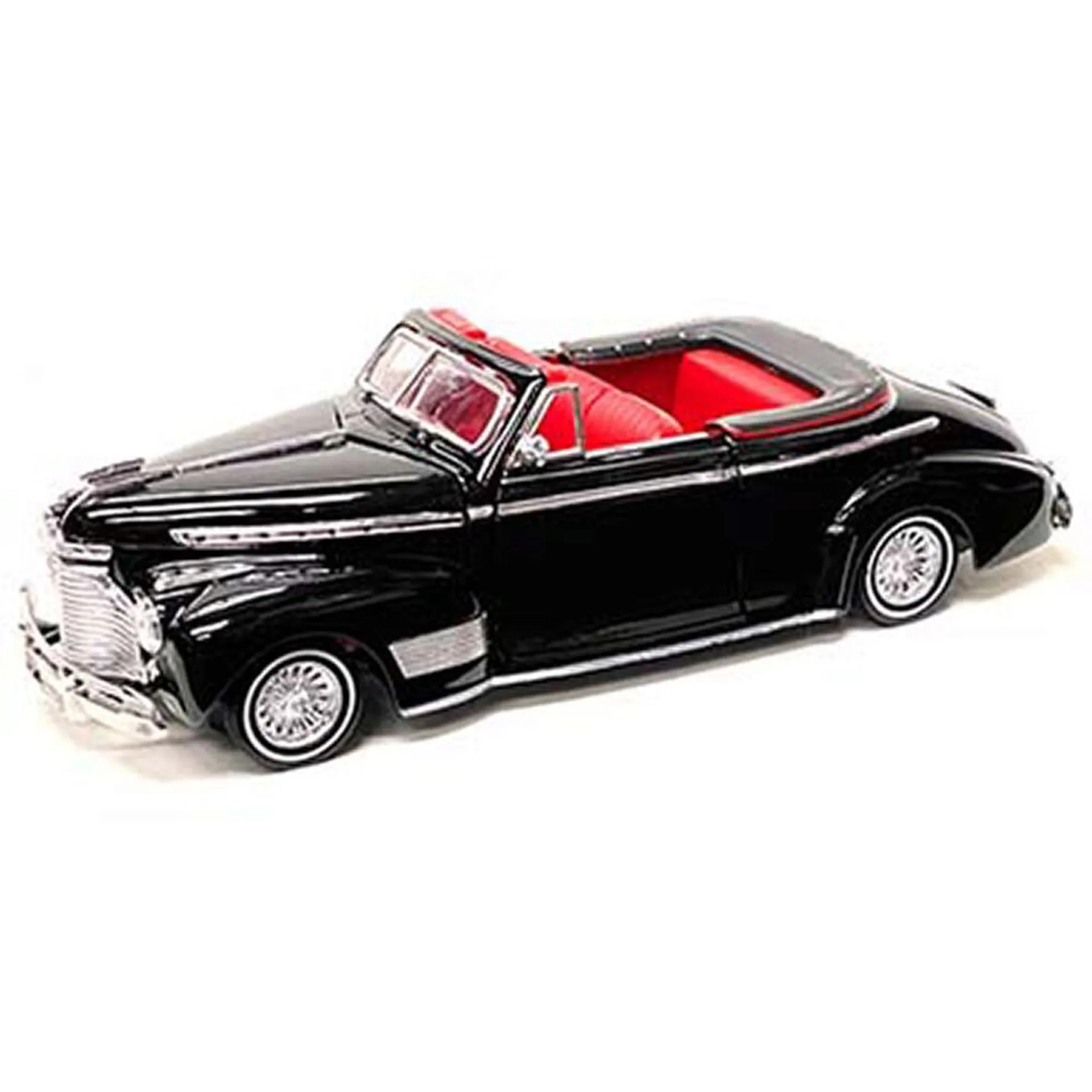
The Allure of Limited Edition Diecast Cars
Limited edition diecast cars have captured the hearts of collectors and enthusiasts worldwide. Beyond being miniature replicas of iconic vehicles, these meticulously crafted models represent a blend of artistry, engineering, and history. The allure lies in their scarcity, the attention to detail, and the emotional connection they forge with the automotive world. Collecting these miniature marvels offers not only a rewarding hobby but also the potential for investment, making them a fascinating subject to explore.
The History of Diecast Cars
The journey of diecast cars is a testament to human ingenuity and the enduring appeal of miniature replicas. Their evolution mirrors advancements in manufacturing and design, reflecting the changing landscape of the automotive industry and consumer preferences. From humble beginnings to sophisticated collectibles, diecast cars have undergone significant transformations. Understanding their history offers valuable context for appreciating their current value and significance.
Early Development

The earliest diecast models emerged in the early 20th century, primarily as toys. Initially, they were crude representations of vehicles, often made from lead or other basic materials. These early models laid the foundation for the industry, introducing the concept of scaled-down replicas that would later evolve into highly detailed collectibles. The focus was on durability and playability, with less emphasis on realism or accuracy. These were simple toys meant to entertain and were a far cry from today’s intricate, limited-edition pieces, yet they hold a special place in the history of model cars.
Evolution of Materials
The materials used in diecast cars have undergone a significant transformation over the decades. Early models relied on lead, which was later replaced by zinc alloys due to safety concerns. These zinc alloys, combined with other metals, allowed for more intricate designs and greater durability. Modern diecast cars utilize a variety of materials, including high-quality plastics and rubber for tires, enhancing both the aesthetics and functionality. These advancements in materials have contributed to the enhanced realism, detail, and longevity of the vehicles.
Hidden Fact 1 The Scale Factor
One of the most intriguing aspects of diecast cars is the concept of scale. These miniature replicas are designed to specific scales, such as 1:18, 1:24, or 1:43, representing the ratio of the model’s size to the actual vehicle. Each scale offers a different level of detail and collecting experience, influencing collector preferences and the overall perception of value. Understanding the scale is essential for appreciating the craftsmanship and accuracy that goes into each model, as well as comparing models of different sizes.
Understanding Scale Sizes

Different scales cater to various preferences and display needs. 1:18 scale models are known for their larger size and intricate detail, making them popular for showcasing fine craftsmanship. 1:24 scale offers a balance of detail and affordability, while 1:43 scale is compact and well-suited for displaying a larger collection. Each scale influences not only the size of the model but also the level of detail achievable, the complexity of the design, and, ultimately, the collecting experience. Some collectors will specialize in a particular scale, while others may collect across a range of sizes.
Impact on Value
The scale of a diecast car significantly impacts its value. Larger scales, such as 1:18, often command higher prices due to their increased detail and complexity. The perceived value is also influenced by factors such as the manufacturer, the rarity of the model, and the materials used. Models in smaller scales, though generally less expensive, can still appreciate in value if they are particularly rare or part of a limited production run. This illustrates how scale and other factors intertwine to affect the financial worth of these miniature masterpieces.
Hidden Fact 2 The Production Process
Creating a limited edition diecast car is an intricate process that combines engineering precision with artistic skill. The process often begins with detailed designs and prototypes, followed by the creation of molds. These molds are then used to cast the metal parts, which are assembled and painted to achieve the final product. The manufacturing process is a blend of automated techniques and hand-crafted elements, ensuring that each model meets high standards of detail and quality. This careful process results in the realistic and collectible quality of these diecast cars.
Manufacturing Techniques

Modern manufacturing techniques play a pivotal role in diecast car production. Die-casting, where molten metal is injected into molds under high pressure, allows for complex shapes and intricate details. Advanced technologies, such as computer-aided design (CAD) and computer-aided manufacturing (CAM), streamline the design and production process. These techniques enable manufacturers to create models with high accuracy, capturing the nuances of real-life vehicles. Automation also contributes to efficiency, though skilled craftsmanship remains vital for achieving exceptional quality.
Hand-Painted Details
While automated processes handle much of the manufacturing, hand-painting remains a crucial element in bringing diecast cars to life. Skilled artisans painstakingly apply paint and decals to the models, adding the final touches that make them unique. These artists’ expertise is evident in the realistic finishes, intricate details, and accurate color schemes, which set limited edition models apart. The hand-painted details truly highlight the dedication to craftsmanship and the pursuit of realism.
Hidden Fact 3 Rarity and Exclusivity
Rarity and exclusivity are central to the allure of limited edition diecast cars. These models are produced in a limited quantity, making them highly sought-after by collectors. The exclusivity increases their perceived value and desirability. Limited production runs create scarcity, encouraging collectors to act quickly and often driving up prices in the secondary market. The combination of rarity and exclusivity transforms diecast cars into valuable collector’s items and investments.
Limited Production Runs

Limited production runs are a cornerstone of the limited edition diecast car market. Manufacturers intentionally limit the number of models produced, typically to a few hundred or a few thousand units. This limited supply, when combined with high demand, drives up value and desirability. Models produced in very limited numbers, such as prototypes or special editions, can become incredibly valuable over time, adding to their collector appeal. The restricted availability is often carefully managed to enhance exclusivity.
Special Editions and Collaborations
Special editions and collaborations further enhance the rarity and desirability of diecast cars. Manufacturers often partner with car manufacturers, artists, or designers to create unique models. These collaborations often feature exclusive designs, special paint schemes, or unique details, increasing their appeal to collectors. These special editions, sometimes released in very limited quantities, can significantly increase in value. The collaborations add an element of prestige and collectibility, driving demand and fascination.
Hidden Fact 4 The Investment Potential
Limited edition diecast cars are more than just toys; they represent a potential investment opportunity for collectors. Factors such as rarity, brand, condition, and historical significance contribute to their value appreciation. The market for diecast cars can be dynamic, with prices influenced by collector demand, market trends, and the overall economic climate. Understanding these factors is crucial for those interested in collecting diecast cars as investments.
Factors Influencing Value

Several factors determine the investment potential of a diecast car. Rarity is a primary driver, with models from limited production runs often appreciating significantly. The manufacturer’s reputation and the model’s historical significance also play key roles. Condition is paramount, with mint-condition models commanding the highest prices. The presence of original packaging and any certificates of authenticity further enhances value. Collectors actively seek out models that are well-preserved and considered to be rare examples.
Preservation Tips
Preserving diecast cars is essential to protect their value and maintain their condition. Collectors should store models in a cool, dry place, away from direct sunlight and extreme temperatures. Displaying models in protective cases can prevent dust and damage. Handling models with care, using gloves, and keeping the original packaging can significantly contribute to their preservation. Regular maintenance, such as gentle cleaning, can also help to prevent deterioration and maximize their lifespan. Properly preserved models are highly desirable and fetch premium prices in the secondary market.
Hidden Fact 5 Famous Brands
Several prominent brands have become synonymous with quality and collectibility in the diecast car world. These brands have built a reputation for producing highly detailed and accurately scaled models, creating trust and loyalty among collectors. Many of these brands offer a wide range of models, from classic cars to modern supercars, each contributing to their legacy and enduring appeal.
Hot Wheels

Hot Wheels is a globally recognized brand known for its innovative designs and accessible price points. This brand has captured the imaginations of generations of collectors. The focus on speed and sleek aesthetics, with a wide variety of models and collaborations, makes Hot Wheels a mainstay in many collections. The brand’s limited edition and special series further drive collector interest.
Matchbox
Matchbox is another iconic brand, celebrated for its realistic detailing and enduring quality. The brand’s commitment to replicating real-world vehicles has made it a favorite among enthusiasts. Matchbox’s focus on authenticity and its historical significance make it a valuable part of any diecast car collection. Their models, known for their durability and accurate representations, continue to be highly sought after.
Hidden Fact 6 Collecting Communities
Collecting diecast cars is not just a solitary pursuit; it’s a hobby that thrives on community. Online forums, dedicated clubs, and car shows provide a platform for collectors to share their passion, exchange knowledge, and expand their collections. These communities create a vibrant ecosystem, enriching the collecting experience and fostering a sense of belonging.
Online Forums and Clubs
Online forums and dedicated clubs offer a wealth of information, support, and interaction for diecast car enthusiasts. These online platforms provide a place for collectors to share photos of their collections, discuss rare finds, and trade models. Clubs frequently organize meetings, events, and publications, enhancing the collector’s experience. The collaborative nature of these communities helps to build stronger networks, encouraging enthusiasts to connect and learn from one another.
Diecast Car Shows
Diecast car shows are a must-attend for collectors, providing a unique opportunity to see rare models, meet fellow enthusiasts, and expand collections. These shows often feature vendors selling models, displays showcasing impressive collections, and competitions for the best models. Car shows create a vibrant atmosphere where collectors can experience a shared passion. These events are essential for exchanging information, finding rare models, and connecting with the wider community.
Hidden Fact 7 The Future of Diecast Cars
The future of diecast cars is promising, with ongoing innovation and growing interest. Technological advancements and a focus on sustainability are expected to shape the industry’s future. As technology evolves, expect enhanced detail, and more realistic models. Simultaneously, a growing emphasis on sustainable practices will encourage the use of environmentally friendly materials and manufacturing processes, ensuring the longevity and appeal of diecast cars for future generations.
Technological Advancements
Technological advancements continue to revolutionize the diecast car industry. 3D printing is enabling manufacturers to create highly detailed prototypes and models, accelerating the design process. Advanced materials and precision manufacturing techniques are leading to increased realism and quality. The use of digital technologies in design, manufacturing, and marketing further enhances the collector experience. Ongoing technological improvements will contribute to the evolution and long-term appeal of diecast cars.
Sustainable Practices
Sustainability is becoming an increasingly important aspect of the diecast car industry. Manufacturers are exploring the use of environmentally friendly materials, such as recycled plastics and bio-based components. Efforts to reduce waste and energy consumption throughout the production process are also underway. Adopting sustainable practices will reduce the environmental impact and appeal to environmentally conscious consumers. Sustainability initiatives are essential to maintaining the long-term viability and reputation of the diecast car industry.
Conclusion
Limited edition diecast cars are more than just collectibles; they are miniature works of art, reflections of automotive history, and potentially valuable investments. From their rich history to their intricate production and the passionate communities that surround them, these miniature marvels offer a captivating experience. Whether you are a seasoned collector or a newcomer to the hobby, exploring the hidden facts behind these miniature cars reveals a world of fascination and enduring appeal. As technology advances and sustainability becomes more important, the future of diecast cars is bright, promising further innovation, and continued appreciation for these miniature masterpieces.