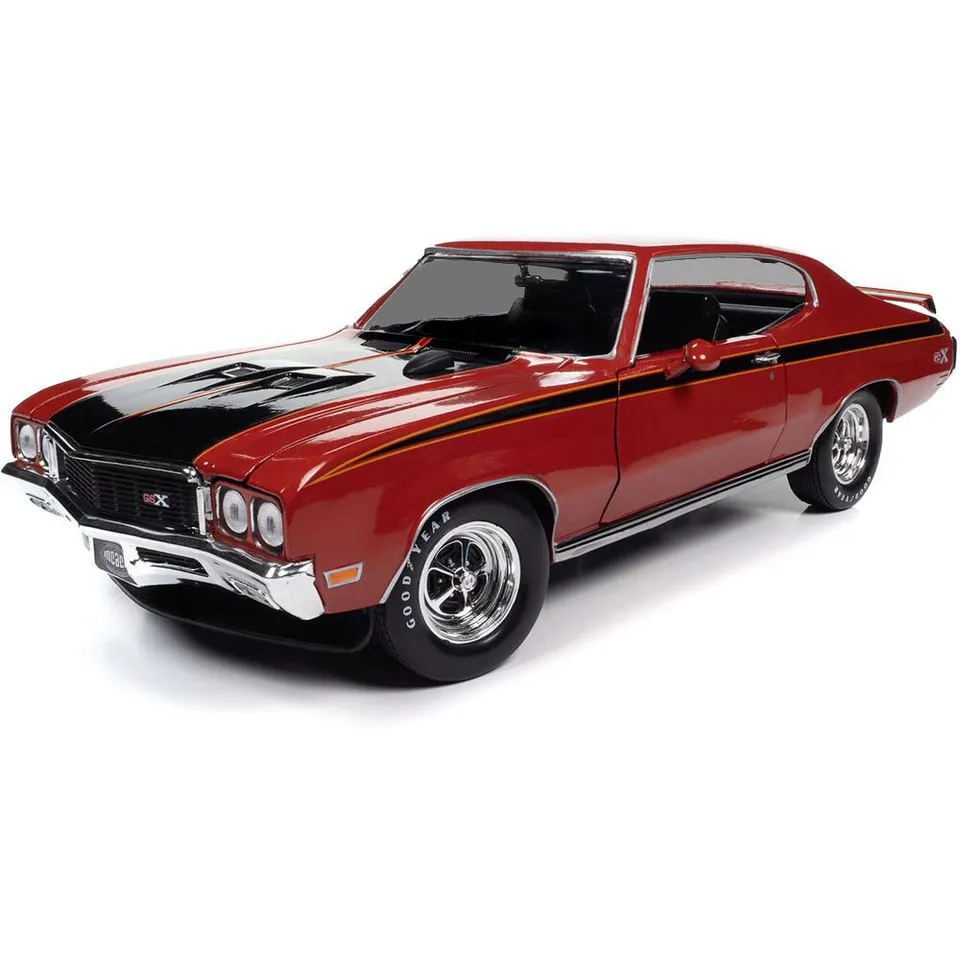
What are Diecast Engines
Diecast engines are miniature replicas of real-life engines, meticulously crafted using a die-casting process. They are prized collectibles, enjoyed by hobbyists and enthusiasts worldwide. These models offer a unique blend of engineering and artistry, capturing the intricate details of their full-sized counterparts. Diecast engines range from simple representations to highly detailed, functional models that accurately reflect the inner workings of internal combustion engines and other mechanical systems. The appeal lies in their realism, craftsmanship, and the passion they ignite for automotive and engineering history. They are a tangible piece of history.
The History of Diecast Engines
The history of diecast engines is rooted in the broader evolution of model-making and manufacturing techniques. Their origins trace back to the early 20th century, coinciding with advancements in die-casting technology. Early models were often simple and rudimentary, evolving into more sophisticated and detailed replicas over time. Early diecast models were primarily made of lead but this was quickly changed when they realized the health implications. The development of durable and affordable materials like zinc alloys played a crucial role in their mass production and popularity. The post-World War II era witnessed a surge in diecast model popularity, fueled by a growing interest in automobiles and a rising consumer culture. Several manufacturers began specializing in diecast models.
Early Development and Materials

The early development of diecast engines was marked by experimentation with different materials and manufacturing processes. Initially, materials like lead were used, which posed health concerns. The shift towards safer and more durable alloys, particularly zinc alloys, was a game-changer. These new materials allowed for more intricate designs and mass production, and also gave the models a longer life. The development of improved die-casting techniques, which allowed molten metal to be injected into molds under high pressure, further enhanced the quality and detail of these models. As a result, diecast engines became accessible to a wider audience.
The Rise of Popularity
The rise of popularity in diecast engines can be attributed to several factors, including increasing interest in automobiles, advancements in manufacturing, and the growing collector’s market. Post-World War II, the automobile industry experienced a boom, fueling an interest in cars that extended to model collecting. Diecast engines became a means to celebrate favorite cars and automotive history, with collectors seeking out rare and unique models. The ability to produce highly detailed and affordable models also attracted a larger audience. Collector clubs and specialized events fostered a sense of community and further popularized the hobby. The Internet and online marketplaces expanded the reach and accessibility of the diecast engine market.
Amazing Fact 1 The Precision of Diecast
One of the most amazing facts about diecast engines is the incredible precision with which they are made. The die-casting process allows for the creation of highly detailed components that replicate the complex geometries of real engines. Manufacturers employ advanced techniques, including computer-aided design (CAD) and computer-aided manufacturing (CAM) to ensure that every aspect, from the engine block to the smallest screws, is replicated accurately. This precision is essential for creating models that look realistic and provide an accurate representation of the original engine design. The ability to reproduce such detail on a miniature scale is a testament to the engineering and manufacturing prowess involved in creating diecast engines.
The Manufacturing Process

The manufacturing process for diecast engines is a sophisticated operation that involves several steps. The process starts with the creation of detailed CAD designs, which are used to make molds. Molten metal, typically a zinc alloy, is then injected into these molds under high pressure. Once the metal cools and solidifies, the models are removed from the molds, and any excess material is trimmed away. This step is followed by surface finishing, which includes polishing, painting, and the application of detailed graphics. Skilled artisans assemble the various components, and quality control checks are carried out to ensure that the finished product meets high standards. The entire manufacturing process requires precision, attention to detail, and a commitment to quality.
The Importance of Detail
The importance of detail in diecast engines cannot be overstated. It’s the defining factor that distinguishes a good model from a great one. The level of detail determines the model’s realism and its appeal to collectors. Manufacturers strive to replicate every component of the engine, from the spark plugs to the exhaust manifolds, with the utmost accuracy. Detailed features include realistic paint finishes, accurate markings, and moving parts. The importance of detail is evident in the use of various materials, such as rubber tires, transparent plastic for windows, and finely crafted metal parts. The more detail a model has, the more valuable and desirable it becomes in the eyes of collectors.
Amazing Fact 2 Different Scales & Sizes
Diecast engines are available in a variety of scales and sizes, allowing collectors to choose models that suit their preferences and display space. Common scales include 1:18, 1:24, 1:43, and 1:64, each with its own characteristics. The scale determines the relative size of the model compared to its real-life counterpart. The choice of scale can influence the level of detail that can be incorporated into the model, as well as its overall cost and display options. Different scales cater to different collecting preferences and offer collectors a wide array of options. Some collectors focus on a single scale, while others collect models in multiple scales, depending on their interests and the available models. The scale of the engine contributes significantly to the collecting process.
Common Scales and Their Characteristics

Several scales are commonly used in the diecast engine hobby, each having specific characteristics. The 1:18 scale is popular for its larger size and the ability to incorporate fine details. Models in this scale are often very detailed and feature opening doors, hoods, and other movable parts. The 1:24 scale is also common and offers a good balance of size and detail. It is often used for classic cars and trucks. The 1:43 scale is smaller and well-suited for displaying multiple models without taking up too much space. The 1:64 scale, also known as the ‘matchbox’ size, is very popular for its affordability and the ability to collect a wide variety of models. Each scale offers a different experience and caters to different collecting preferences, giving collectors a great deal of choice.
How Scale Affects the Engine
The scale directly affects several aspects of the diecast engine, including its size, level of detail, and price. In larger scales, such as 1:18, manufacturers can incorporate more intricate details, allowing for a high degree of realism. The larger size also makes it easier to appreciate the model’s features and craftsmanship. However, larger scale models require more materials and manufacturing effort, which often results in a higher price. Smaller scales, like 1:64, offer affordability and the ability to collect a diverse range of models. In smaller scales, detail may be slightly simplified, but this is compensated for by the model’s accessibility and the ease of storage and display. Each scale has unique benefits that cater to different collectors.
Amazing Fact 3: The Realistic Features
Diecast engines are remarkable for their realistic features, which enhance their appeal and value. These features include detailed engine components, working parts, and accurate paint finishes. Manufacturers go to great lengths to replicate every aspect of a real engine, from the spark plugs to the oil pan. Detailed components include intricately designed cylinder heads, manifolds, and belts, making the models look very authentic. Many models include movable parts such as opening hoods, rotating wheels, and functional steering systems. Some high-end models even feature working pistons and simulated engine sounds. The realistic features add to the value and the enjoyment of diecast engines.
Detailed Engine Components

The detailed engine components in diecast models are a testament to the craftsmanship and dedication of the manufacturers. These models accurately replicate the various parts of an engine, including the engine block, cylinder heads, pistons, crankshaft, camshaft, and valves. Even the smallest components, like spark plugs, fuel lines, and wiring harnesses, are meticulously recreated. The use of different materials, such as metal, plastic, and rubber, enhances the realism. These detailed components contribute to the overall authenticity of the model and provide a fascinating insight into the design and function of real engines. The ability to see the parts adds to the value.
Working Parts and Mechanisms
Many diecast engines feature working parts and mechanisms that add to their realism and playability. These can include opening hoods, functional steering, and rotating wheels. Some models go even further, incorporating features like working pistons, moving fan belts, and simulated engine sounds. These functional elements provide an engaging experience for collectors and enhance the model’s collectibility. The combination of detailed components and working parts creates a lifelike representation of a real engine. Working parts help make diecast engines appealing to both collectors and those who enjoy engineering and mechanical design. The inclusion of these features is a sign of high quality.
Amazing Fact 4: Investment Value
Diecast engines can be a viable investment, with certain models increasing in value over time. Factors influencing the investment value include rarity, condition, the manufacturer, and historical significance. Limited-edition models, those with special features, or those representing significant automotive events are highly sought after by collectors and often appreciate in value. The condition of the model is crucial, as mint-condition examples are the most valuable. Models from well-known manufacturers with a reputation for quality and historical accuracy are often in demand. The investment value of diecast engines varies, making careful research and informed collecting essential for those looking to profit from this hobby. Supply and demand also influence the investment value.
Factors Influencing Value

Several factors influence the investment value of diecast engines. Rarity is a significant factor, with limited-edition models and those with unique features commanding higher prices. The condition of the model is also critical, with mint-condition examples being the most valuable. Original packaging, paperwork, and certificates of authenticity can add value. The manufacturer’s reputation for quality and historical accuracy plays a role, with well-regarded brands often more sought after. The model’s historical significance, such as representing a particular car or event, also influences its value. Finally, collector demand and market trends determine the final worth. It is important to research the model’s history before investing.
Maintaining and Preserving
Proper maintenance and preservation are essential for preserving the investment value of diecast engines. Dusting models regularly and storing them away from direct sunlight and extreme temperatures is crucial. Displaying models in a climate-controlled environment helps prevent damage. The original packaging should be kept, as it can add value. Handle the models carefully and avoid touching them with bare hands to prevent scratches. Document the model’s condition and any repairs or modifications made over time. Regular care ensures that the model maintains its condition and value for years. The best way to maintain the model is to store it in a case. Protecting your investment is very important.
Amazing Fact 5 The Future of Diecast Engines
The future of diecast engines is exciting, with ongoing developments in technology and shifting collector trends. Manufacturers are exploring new materials, such as advanced alloys and composites, to improve durability and detail. 3D printing technology allows for the creation of highly customized models, opening up new possibilities. The rise of digital collecting and virtual models may impact the physical diecast market, with some collectors embracing both formats. The growing interest in electric vehicles and sustainable transportation may influence the types of models produced in the future. Diecast engines are expected to remain a popular hobby, attracting new collectors and enthusiasts.
Technological Advancements

Technological advancements are significantly impacting the diecast engine hobby. CAD and CAM technologies continue to improve the precision and detail in models. 3D printing is allowing manufacturers to produce customized and unique models with complex designs. The use of advanced materials, such as new alloys and composites, will enhance the durability and appearance of diecast engines. The integration of electronics and interactive features is also being explored, adding functions like working lights and sounds. The convergence of digital and physical collecting may lead to the development of virtual models that can be displayed and interacted with online. These technological advancements will drive innovation and shape the future of diecast engines.
Collectible Trends
Collectible trends in diecast engines are always evolving, shaped by collector preferences, market demand, and the broader automotive landscape. The classic cars and vintage engines are always popular with collectors. There is growing interest in electric vehicles and other models that reflect modern technology. The demand for models from certain manufacturers and specific periods can shift, as well as the demand for limited-edition models. The internet and social media play a significant role in shaping collector trends, as they facilitate the sharing of information and the discovery of new models. Online marketplaces and auction sites have also expanded the reach of the diecast market. Staying informed about collector trends is critical for those interested in this hobby.