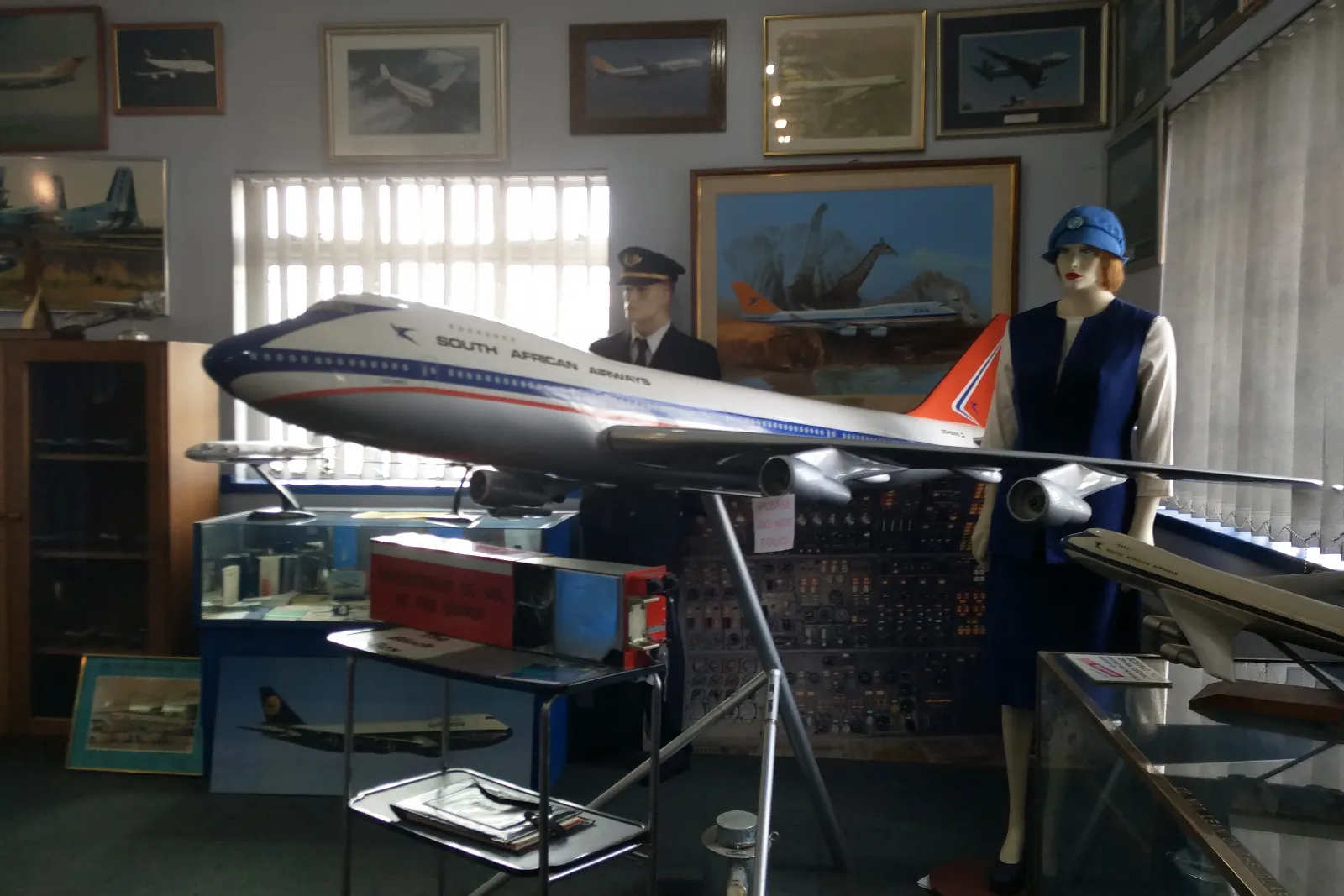
What are Diecast Model Airplanes
Diecast model airplanes are highly detailed miniature replicas of real-world aircraft, meticulously crafted from metal alloys. These models are prized by aviation enthusiasts, collectors, and hobbyists for their realism, durability, and collectibility. They offer a tangible connection to the history of aviation, allowing individuals to own and appreciate iconic aircraft from various eras. The term “diecast” refers to the manufacturing process where molten metal is injected into molds, creating precise and intricate parts. This method results in models that are both robust and capable of capturing the fine details of the original aircraft. These models range in scale, from small, desk-sized replicas to larger, more elaborate pieces suitable for display. The popularity of diecast model airplanes spans generations, with new models constantly being released to satisfy the diverse interests of collectors and enthusiasts worldwide, making them a unique and lasting hobby.
Benefits of Owning Diecast Model Airplanes
Owning diecast model airplanes offers a multitude of benefits beyond mere aesthetic appeal. They provide a unique way to celebrate a passion for aviation and history. Collectors often find immense satisfaction in the pursuit of rare or specific models, which fosters a sense of accomplishment and connection with other enthusiasts. These models also serve as a great educational tool, allowing people to learn about different aircraft types, their historical significance, and the engineering that went into their design and construction. They are also a great way to decorate your home, office, or man cave. The sense of community that comes from sharing a hobby is another benefit, allowing collectors to connect and exchange information, tips, and models. Diecast model airplanes can also be a good investment for collectors. As the demand for specific models increases, their value can appreciate over time. This can be especially true for rare or limited-edition models.
Detailed Craftsmanship

One of the primary attractions of diecast model airplanes is their exceptional craftsmanship. Manufacturers invest significant time and resources in replicating the intricate details of the original aircraft. This includes the precise shaping of the fuselage, wings, and tail, as well as the accurate reproduction of panel lines, rivets, and other surface features. The use of high-quality materials, such as metal alloys, ensures the durability and longevity of the models, allowing them to withstand the test of time. Skilled artisans meticulously paint and decorate each model, applying accurate markings, insignias, and color schemes to match the specific aircraft being represented. The craftsmanship is evident in the overall look and feel of the model, making them not only visually appealing but also representative of their real-life counterparts. Diecast models are not just toys; they are miniature works of art, demonstrating the dedication of the manufacturers to achieving the highest levels of realism and quality.
Authentic Details
Authentic details are the heart and soul of any high-quality diecast model airplane, contributing to its realism and appeal. These details go far beyond the basic shape and overall appearance of the aircraft. They include elements such as the accurate reproduction of cockpit interiors, including seats, instrument panels, and control yokes, ensuring that the miniature replicas closely resemble the originals. Details like landing gear and moving parts such as flaps, ailerons, and rudders are incorporated, providing a sense of movement and playability. The application of historically accurate paint schemes, markings, and insignias is crucial for authenticity, capturing the specific look of each aircraft model. The use of realistic weathering techniques, such as panel shading and simulated wear and tear, further enhances the model’s realism. These subtle, yet crucial, details make the model not just a miniature representation of an aircraft, but a faithful recreation of its real-life counterpart.
Durability and Material
The durability and material quality of diecast model airplanes are crucial factors contributing to their longevity and value. High-quality models are primarily constructed from metal alloys, such as zinc, aluminum, and pewter, which provide excellent strength and resistance to damage. These materials allow the models to withstand wear and tear, making them suitable for display, handling, and even gentle play. The weight of the diecast metal also adds to the model’s stability, preventing it from easily tipping over or being knocked off display shelves. The use of robust materials also ensures the model’s ability to retain its value over time. Plastic components, if used, are made from durable, high-quality plastics that can withstand temperature variations and exposure to sunlight, without degrading or discoloring. The combination of metal and high-quality plastic components results in models that can be cherished for generations.
How to Choose the Best Diecast Model Airplane

Choosing the best diecast model airplane requires careful consideration of several key factors to ensure satisfaction. Research and comparison are important to finding a model that meets your needs and preferences. The scale and size of the model should align with your display space and the other models in your collection. The level of detail and accuracy in the model’s construction and paint job are important factors to determine the model’s value and authenticity. Check the materials used in the model’s construction to assess its durability. It is important to consider the reputation and reviews of the manufacturer, to assess the quality of their products. Also, consider the price and budget, and make sure it aligns with what you want in a model. Consider what type of aircraft you are looking for, and see if it fits your other collectibles. By considering these factors, you can make an informed decision and select a diecast model airplane that you’ll enjoy and appreciate for years to come.
Scale and Size
Scale and size are fundamental considerations when selecting diecast model airplanes, as they directly impact how the model fits into your collection. Common scales include 1:72, 1:48, 1:100, 1:200, and 1:400, with each scale representing a specific reduction in size from the original aircraft. 1:72 scale is a popular choice, offering a good balance between detail and size. 1:48 scale provides greater detail but requires more display space. Smaller scales, such as 1:200 or 1:400, are ideal for collectors with limited space and can accommodate a larger number of models. Considering the scale of the models to create a cohesive collection is also important. Ensure that the chosen scale aligns with the size of the aircraft you want to collect and the space you have available for display. Consider the dimensions of the model, including the wingspan and length. This will ensure that the model fits into your display area.
Material and Build Quality
The material and build quality are crucial in determining the longevity and visual appeal of a diecast model airplane. High-quality models are primarily constructed from diecast metal alloys, such as zinc or aluminum. These materials provide excellent durability, weight, and a realistic feel. The build quality refers to the precision and craftsmanship involved in assembling the model. Check for clean lines, smooth surfaces, and the absence of gaps or imperfections. The paint finish should be smooth, even, and free from blemishes. The quality of the decals and markings is also important, as they should be applied accurately and securely. Ensure that moving parts, such as landing gear or control surfaces, function smoothly and are well-attached. Examine the packaging and presentation of the model, as this often indicates the manufacturer’s commitment to quality. The choice of materials and the overall build quality will have a significant impact on the model’s appearance and durability, ensuring it remains a valuable part of your collection.
Level of Detail

The level of detail is what truly brings a diecast model airplane to life, making it an accurate representation of its full-sized counterpart. Look for models with finely molded panel lines, rivets, and access panels. These details add a layer of realism that sets high-quality models apart. Check for accurately rendered cockpit interiors, including seats, instrument panels, and control yokes. Detailed engines with visible fan blades, exhaust nozzles, and other components enhance the model’s authenticity. Landing gear should be well-detailed, with accurate struts, wheels, and doors. The paint job should be precise, with accurate color schemes, markings, and insignias. Look for realistic weathering effects, such as panel shading and simulated wear and tear, which add a sense of realism and depth. Some models may include intricate features such as antennas, pitot tubes, and other small details that contribute to the overall accuracy. By paying attention to the level of detail, you can select a model that is both visually appealing and historically accurate.
Researching Manufacturers
Researching manufacturers is a crucial step in choosing high-quality diecast model airplanes. Different manufacturers are known for their expertise in specific aircraft types or scales. Some manufacturers specialize in commercial airliners, while others focus on military aircraft. Researching will give you a general idea of the manufacturer’s reputation for quality, attention to detail, and historical accuracy. Read reviews from other collectors to see what their experiences have been, and make sure you look at the manufacturer’s website to check for products they produce. Many model airplane forums and online communities provide valuable information, reviews, and comparisons of different models and manufacturers. By researching the manufacturers, you can make an informed decision and invest in models from reputable brands that meet your expectations for quality and detail.
Where to Buy Diecast Model Airplanes
Finding the right place to buy diecast model airplanes is the next important step in starting your collection. Many different options are available, each with its advantages and disadvantages. Several options are available both online and offline.
Online Retailers

Online retailers offer a convenient way to browse and purchase diecast model airplanes, with a vast selection of models. They offer the advantage of competitive prices and allow you to compare products from different manufacturers. They also offer the ability to read reviews. Major online retailers often have user-friendly websites, detailed product descriptions, and high-quality images, making it easier to research and evaluate models. However, be mindful of shipping costs and return policies. Ensure that the retailer offers secure payment options and a reliable customer service system. Verify the seller’s reputation and read reviews from other buyers to ensure the quality of their service. By choosing reputable online retailers, you can expand your collection from the comfort of your home, saving both time and effort.
Specialty Shops
Specialty shops dedicated to model airplanes and collectibles offer a unique shopping experience. They provide a curated selection of high-quality diecast models, often including rare or limited-edition items. The knowledgeable staff can offer expert advice, answer questions, and provide personalized recommendations. Specialty shops create a sense of community among collectors, often hosting events, and model displays. Shopping in specialty shops allows you to examine the models in person. However, specialty shops can be more expensive than online retailers.
Auctions and Collectors Fairs
Auctions and collectors’ fairs offer the thrill of the hunt, providing opportunities to discover rare and unique diecast model airplanes. Auctions may include live and online events, where you can bid on models from private collectors, estates, and dealers. Collectors’ fairs bring together a large number of vendors, offering a vast selection of models from different eras and manufacturers. Both auctions and fairs can be great places to find bargains, especially for vintage or hard-to-find items. These venues provide a sense of excitement and community among collectors. Research the auction house or fair organizers to assess their reputation and ensure the authenticity of the models. Be prepared to do your research, compare prices, and inspect the models carefully before making a purchase. Auctions and fairs are best for experienced collectors who can identify valuable models and negotiate effectively.
Maintaining and Displaying Your Collection

Maintaining and displaying your collection of diecast model airplanes is essential to preserving their beauty and value. Protect your models from dust, sunlight, and other environmental factors that can cause damage. Choose display options that showcase your models effectively while keeping them safe. Proper maintenance and thoughtful display will help you enjoy your collection for many years to come.
Dusting and Cleaning
Dusting and cleaning your diecast model airplanes are essential maintenance tasks to keep them looking their best. Dust can accumulate over time and diminish the appearance of the models. To clean, use a soft brush or a microfiber cloth to gently remove dust from the surfaces and in hard-to-reach areas. Avoid using harsh chemicals or abrasive cleaners, as they can damage the paint and decals. For more stubborn dirt or grime, you can use a mild soap solution. Dampen a soft cloth with the solution, and gently wipe the model’s surfaces. Be sure to dry the model completely with a clean cloth after cleaning. Regular dusting and cleaning will preserve the models’ beauty and protect them from damage.
Proper Storage
Proper storage is vital for protecting your diecast model airplanes from damage and preserving their value. The best way to store your models is in a cool, dry, and dark environment. Avoid exposing the models to direct sunlight, as it can cause the paint to fade. Extreme temperatures and humidity can also damage the models. If possible, store your models in their original packaging, as it offers added protection. If you don’t have the original packaging, consider using display cases or specialized storage boxes designed for model airplanes. Ensure that the models are placed in a stable position to prevent them from falling or being knocked over. Handle your models with care. Taking these precautions will help keep your collection in excellent condition for many years.
Display Options

The display of your diecast model airplanes is an opportunity to showcase your collection and enhance its aesthetic appeal. There are various display options to choose from, depending on the size of your collection and your personal preferences. Display cases are a popular option, offering protection from dust and damage while allowing you to view your models easily. Shelves provide an open display space where you can arrange your models. Consider using stands to elevate your models and create a more dynamic display. You can also create thematic displays, grouping models by aircraft type, era, or manufacturer. Experiment with different arrangements until you find a display style that suits your collection and personal tastes. Proper display will allow you to enjoy your collection and share your passion for aviation.