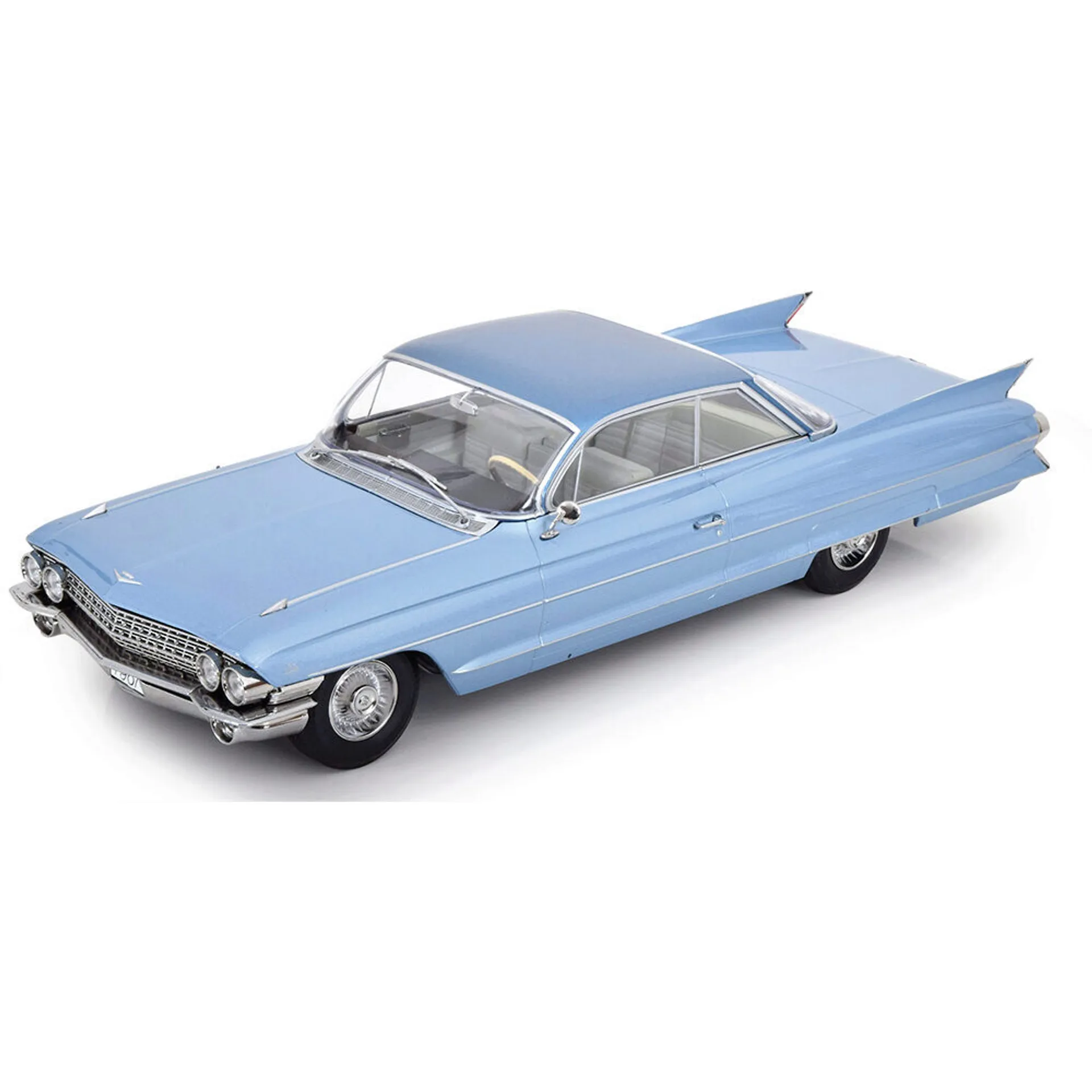
What Affects Diecast Model Car Prices
Diecast model cars, miniature replicas of real-life vehicles, have captivated collectors and enthusiasts for decades. The allure of these meticulously crafted models extends beyond mere aesthetics, as they represent a tangible connection to automotive history and design. But what truly dictates the price of these coveted collectibles? Several key factors play a significant role in determining the value of a diecast model car. Understanding these elements is crucial for both seasoned collectors and those just starting to explore this fascinating hobby. From the scale and rarity to the brand and condition, each aspect contributes to the overall price, making the world of diecast model cars a complex and intriguing market. This guide breaks down the top 5 factors influencing the price of diecast model cars, helping you navigate the world of miniature automotive treasures.
Scale and Size of the Model
The scale of a diecast model car is one of the primary determinants of its price. Scale refers to the ratio between the model’s size and the actual size of the vehicle it represents. Common scales include 1 18, 1 24, 1 43, and 1 64, each offering a different level of detail and complexity. Larger scales, such as 1 18, generally command higher prices due to their increased size, the greater level of detail possible, and the higher material costs. These larger models often feature intricate interior details, opening doors, and functional parts, contributing to a more premium feel and a higher price tag. The visual impact and the perceived value of a model increase with its size. However, the availability and collectibility of certain scales can also influence prices, with some scales being more sought after than others.
Popular Scales and Their Price Variations

Different scales cater to various collector preferences and budgets, leading to price variations. The 1 18 scale is a popular choice for its impressive detail and is often associated with higher-end models. Models in this scale typically feature elaborate interiors, engine details, and opening components, resulting in prices that can range from a few hundred to several thousand dollars for limited editions or rare models. The 1 24 scale offers a good balance of detail and affordability, making it a popular entry point for many collectors. Prices for 1 24 scale models are generally lower than those of 1 18 scale models. The 1 43 scale is popular for its compact size, making it ideal for displaying a large collection, with prices varying based on the model’s rarity and brand. Finally, the 1 64 scale is the most affordable, often found in mass-produced models, and is popular among casual collectors and children, and can be more affordable.
Rarity and Limited Editions
Rarity is a crucial factor in determining the price of diecast model cars. Limited edition models, those produced in a specific, restricted quantity, often command higher prices due to their scarcity. The fewer the models produced, the more valuable they become, particularly among collectors seeking unique pieces. Rarity can be influenced by various factors, including the manufacturer’s decision to limit production runs, the model’s association with a significant event or anniversary, or the use of unique paint schemes or features. The limited availability creates a sense of exclusivity and desirability, pushing prices up in the secondary market. Certain models, especially those produced in very limited numbers or for specific events, can become highly sought after, leading to significant price premiums over their original retail price. Consider the number of models produced when evaluating the investment potential of a diecast model car.
Identifying Rare Diecast Models
Identifying rare diecast models requires a bit of research and knowledge. Collectors should pay attention to the model’s production run, which is often indicated on the packaging or certificate of authenticity. Models with low production numbers, such as those limited to a few hundred or even fewer pieces, are highly likely to be considered rare. Special editions, promotional models, and those produced for specific events or regions are also typically rarer than standard releases. Another indicator of rarity is the model’s details and features. Unique paint colors, custom decals, and exclusive interior designs can increase a model’s desirability. The presence of a certificate of authenticity or a signed edition further confirms the model’s exclusivity and value. Collectors should consult online resources, auction results, and specialized forums to determine the rarity and market value of a specific diecast model.
The Significance of Limited Runs

Limited runs play a pivotal role in driving the prices of diecast model cars. Manufacturers often produce limited editions to create excitement and exclusivity around their products. These limited runs are frequently associated with specific car models, historical events, or collaborations with designers or brands. Because only a finite number of these models are available, demand tends to exceed supply, leading to higher prices. Furthermore, limited editions often feature unique details, such as specific paint finishes, custom interiors, or special packaging, making them more desirable to collectors. The investment potential of a limited-run model can be significant, as its value tends to appreciate over time, particularly if the model is highly sought after or associated with a well-known brand or event. Collectors should always verify the number of models produced to assess the value of the limited run.
Brand and Manufacturer Reputation
The brand and manufacturer of a diecast model car greatly influence its price. Established brands with a reputation for quality, detail, and accuracy typically command higher prices. Brands like Minichamps, Autoart, and CMC (Classic Model Cars) are highly regarded for their exceptional craftsmanship and attention to detail. Their models often feature intricate interiors, accurate engine representations, and realistic paint finishes. The reputation of the manufacturer affects not only the initial price but also the long-term value of the model. Models from respected brands are often considered better investments as their value tends to hold up over time. A brand’s history, its relationship with car manufacturers, and the complexity of the models it produces all contribute to the brand’s reputation and its products’ prices.
High-End vs. Budget Brands
The diecast model car market caters to a wide range of budgets, with high-end and budget brands occupying distinct segments. High-end brands focus on superior quality, intricate detail, and realistic features, leading to higher prices. Their models often use premium materials and feature more functional parts like opening doors, hoods, and trunks. Budget brands, on the other hand, offer more affordable alternatives, often with fewer details or simpler construction. While these models may lack the finesse of their high-end counterparts, they provide an accessible entry point for collectors on a budget. The quality and materials of the model cars are the distinguishing factors between brands, where high-end brands may utilize more metal, and budget brands use more plastic.
Impact of Manufacturer’s Popularity on Price

The popularity of a manufacturer significantly impacts the price of its diecast model cars. Brands that have a strong following, a long history, or are known for producing highly accurate and detailed models often experience higher demand. Collectors are willing to pay more for models from these popular manufacturers because they are associated with quality and prestige. The manufacturer’s collaborations with car manufacturers and its ability to accurately replicate real-life vehicles also contribute to its popularity. Brand loyalty plays a role, with collectors often seeking out models from their preferred manufacturers. The scarcity of a brand’s models also affects their prices, as limited-edition releases or models from discontinued series may become highly sought after. Market trends and collector preferences can also influence a manufacturer’s popularity and, consequently, the prices of its models.
Material and Construction Quality
The material and construction quality are fundamental determinants of a diecast model car’s price. Models constructed from high-quality materials, such as die-cast zinc alloy, often command higher prices due to their durability and authentic feel. The weight and solidity of the model contribute to its perceived value and overall collectibility. Construction quality, including the precision of the assembly, the fit and finish of the parts, and the overall attention to detail, also plays a crucial role. Models with intricate designs, detailed interiors, and functional features, such as opening doors and working suspension, generally cost more. The use of premium materials, such as real rubber tires, high-quality paint, and detailed interior components, further enhances the model’s value. Collectors should examine the materials and construction quality to assess the overall value and pricing.
Differences in Diecast Materials
The materials used in the construction of diecast model cars vary considerably and directly impact their prices. Die-cast zinc alloy is a standard material for the body and other components, providing weight, durability, and a realistic feel. High-end models may incorporate other materials, such as metal or even carbon fiber, for specific parts, further increasing the price. The use of plastic is common for interior components, chassis parts, and some exterior details. The quality of the plastic and how it is integrated into the design can affect the price. The paint used on the model is also important. Premium models use high-quality paints and finishes that are resistant to fading, chipping, and scratching. The tires are commonly made of rubber, and higher-end models use real rubber tires. The combination of these materials and their quality contributes to the overall price and perceived value of the model.
Importance of Detailing and Finish

Detailing and finish are essential factors in the price of diecast model cars. The more detailed and accurate the model, the higher the price is likely to be. This includes the intricate details of the interior, such as seats, dashboard instruments, and steering wheels. Detailed engine components, suspension systems, and undercarriage elements also add to the model’s value. The paint finish is another crucial element. High-quality models feature realistic paint colors and finishes that mimic the look of real-life cars, including metallic effects, glossy clear coats, and accurate color matching. Collectors often pay a premium for models with detailed detailing and impeccable finishes. The overall appearance of the model directly influences its desirability and its price in the market. A well-executed model with a high level of detail demonstrates superior craftsmanship and enhances its value as a collectible item.
Condition and Authenticity
The condition and authenticity of a diecast model car are critical factors in determining its price. Models in pristine condition, without any damage or imperfections, are more valuable than those with wear and tear. Collectors look for models that have been well-preserved, free from scratches, dents, or fading. The authenticity of the model, which confirms its originality and genuineness, is also essential. Models with original packaging, certificates of authenticity, and any associated documentation command higher prices. The model’s history, including how it was stored and maintained, also plays a role. Models that have been kept in a controlled environment, away from sunlight and moisture, are more likely to be in excellent condition. The condition and authenticity significantly impact a model’s value, especially for rare or collectible items.
Assessing the Model’s Condition
Assessing the condition of a diecast model car involves a careful examination of its exterior and interior. Collectors should look for any signs of damage, such as scratches, chips, or paint imperfections. Check the opening parts, such as doors, hoods, and trunks, to ensure they function correctly and fit properly. Inspect the wheels and tires for any damage or wear. Inside the model, examine the seats, dashboard, and other interior details for any signs of wear or fading. The undercarriage and engine components should also be inspected for any damage. A magnifying glass or a bright light can help to detect subtle imperfections. When evaluating a model’s condition, collectors often use a grading scale (e.g., mint, near mint, excellent, good, fair, poor) to assess its overall condition. Photographs of the model from various angles can provide valuable information.
Importance of Original Packaging

The original packaging of a diecast model car significantly impacts its value, particularly for collectors. Original boxes, packaging inserts, and any accompanying documentation, such as certificates of authenticity or promotional materials, enhance the model’s desirability and value. Models with their original packaging are considered more complete and authentic. Packaging protects the model during storage and transportation, which helps to preserve its condition. Collectors highly value models that are still in their original packaging. The packaging itself can sometimes be a collector’s item, particularly for limited edition or rare models. The presence of the original packaging can dramatically increase the model’s price, especially if the packaging is in excellent condition. Collectors often look for complete, undamaged packaging to maximize the model’s value.