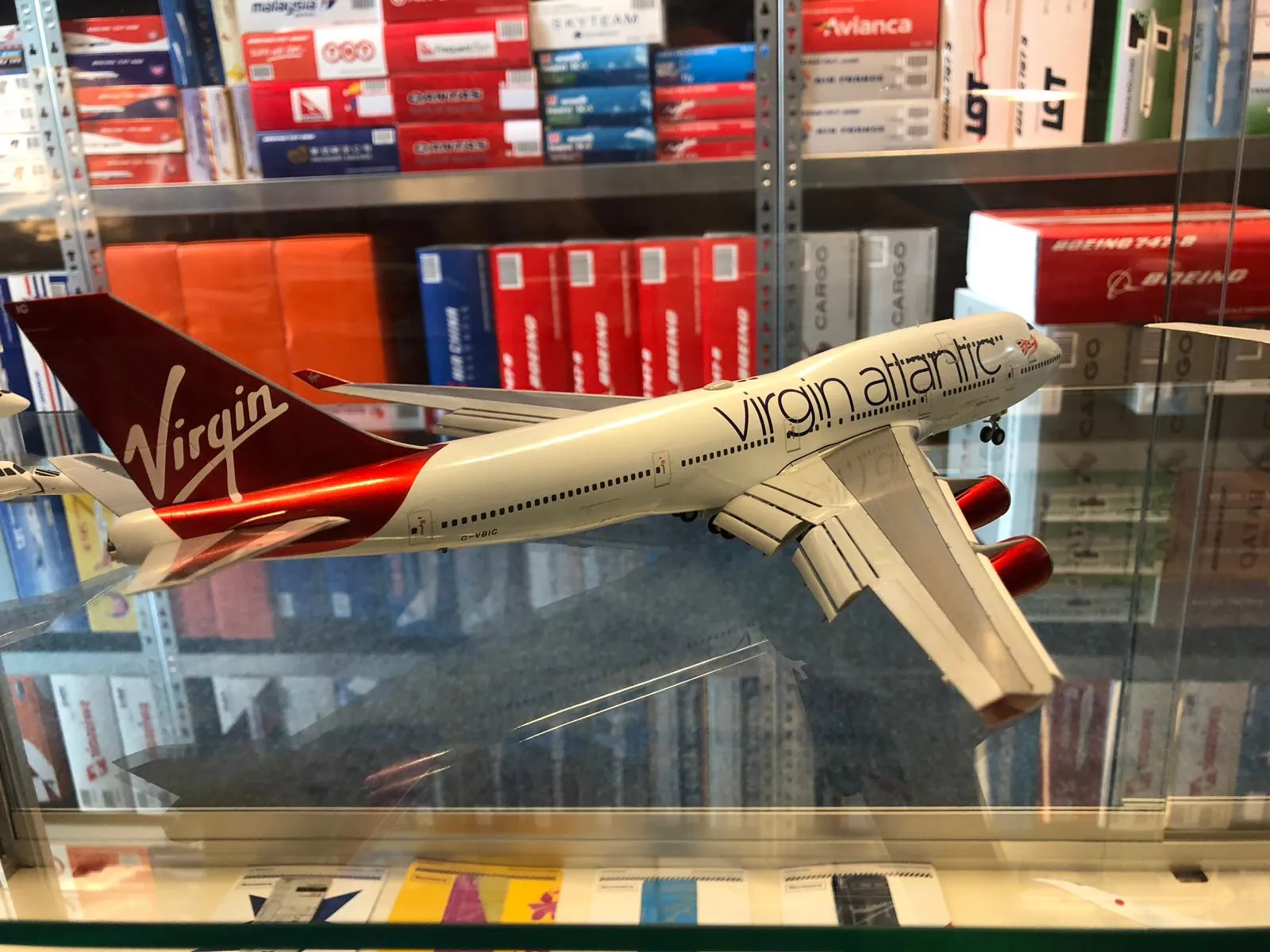
Understanding Diecast Trading
Diecast trading is a fascinating blend of collecting, investing, and the thrill of the hunt. It involves buying, selling, and exchanging miniature replicas of vehicles, from cars and trucks to airplanes and motorcycles. This hobby appeals to a wide range of individuals, from casual enthusiasts to serious collectors looking to build valuable portfolios. Understanding the basics of diecast trading is essential to navigate this exciting world successfully. By gaining knowledge about market trends, model values, and the community, newcomers can avoid common pitfalls and position themselves for enjoyable and rewarding experiences. Proper research, understanding model details, and employing smart strategies will make it a rewarding hobby.
What are Diecast Models
Diecast models are miniature vehicles primarily made using a die-casting process, where molten metal is injected into molds. They are known for their durability and the high level of detail that can be achieved, making them attractive to collectors. These models often feature working parts, detailed interiors, and authentic paint schemes, reflecting the design of their full-size counterparts. The materials used can vary, but zinc alloys are commonly employed. The quality of materials and craftsmanship significantly affects the value of a diecast model. The range includes vintage cars, modern supercars, and even historical vehicles. Many enthusiasts collect models based on specific makes, models, or time periods, creating specialized collections that become valuable over time.
Popular Scales and Manufacturers

The popularity of diecast models is closely tied to scale, with certain sizes dominating the market. Scales represent the ratio of the model’s size to the real vehicle. 1:18 scale is a popular choice, known for its larger size and detailed features, making it a favorite among serious collectors. 1:24 and 1:43 scales also have significant followings, offering a balance between detail and space requirements. Manufacturers like Hot Wheels, Matchbox, and Maisto are well-known for mass-produced models accessible to a broad audience. High-end brands such as CMC and AutoArt produce premium models with exquisite detail, catering to discerning collectors who want the ultimate realism. Each scale and brand has its own appeal, influencing the trading value and collectibility of diecast models.
Why Trade Diecast Models
Diecast trading is more than a hobby it can be a way to build a valuable collection, connect with a community, and potentially generate a profit. The value of certain models appreciates over time, especially limited editions or rare finds. Building a valuable collection needs proper knowledge about the market trends. The thrill of finding a rare model or completing a set motivates many traders. The community aspect is also strong, with collectors sharing knowledge, trading models, and participating in online forums and shows. For some, diecast trading provides a nostalgic connection to the past, recalling favorite cars or childhood memories. Additionally, the potential for profit makes it an attractive pursuit, provided you approach it with knowledge and caution.
Top 5 Tips for Beginner Diecast Traders
Tip 1 Research and Due Diligence

Before diving into diecast trading, conduct thorough research. Understand the market, identify valuable models, and learn about manufacturers. Evaluate the history of the models before buying or selling. The value of a model can fluctuate based on factors such as the manufacturer, scale, rarity, and condition. Stay informed about the trends by following industry news. Familiarize yourself with common terms. Due diligence helps in making informed decisions, minimizing risks, and maximizing returns.
How to Research Model Values
Research model values using online resources. Check online marketplaces like eBay to see recent sales data (completed listings) of similar models. Websites that offer pricing guides can also provide insights. Join online forums and communities, where experienced collectors share knowledge and market trends. These resources provide up-to-date information on pricing and allow you to determine a fair value. Comparing prices from different sources, examining the condition of the model, and assessing its rarity are essential. By conducting thorough research, traders can avoid overpaying. This also ensure the model remains a valuable asset.
Checking Model Condition
The condition of a diecast model significantly affects its value. Inspect the model for any signs of damage, such as scratches, dents, or paint imperfections. Ensure all parts, like wheels and mirrors, are intact and functioning correctly. Also, inspect the original packaging, as this can significantly increase the value of the model. The packaging adds value and protects it. Grading systems, are often used to assess the condition, and they range from mint condition (perfect) to heavily used. Understanding the grading system helps accurately determine a model’s value. Buying models in better condition leads to better returns.
Tip 2 Finding Reliable Sources

Finding reliable sources is key to successful diecast trading. Establish relationships with trusted sellers and dealers. These sources provide a steady supply of models, and a network allows you to find good deals. Scrutinize the reputation of the source, by reading reviews and seeking recommendations. Avoid buying from sources with questionable practices, or too-good-to-be-true deals. Using reliable sources reduces the risk of receiving counterfeit or damaged goods. Building relationships is also essential. Consider the different factors and the risks while getting a model from a source. A trusted relationship will save a lot of time and money.
Online Marketplaces vs Local Dealers
Both online marketplaces and local dealers offer unique advantages. Online marketplaces like eBay provide a vast selection and allow you to compare prices. However, you need to be aware of the seller’s reputation and the authenticity. Local dealers, who may be found at shows, or in specialty stores, offer a more personal experience. You can inspect the model in person. Dealers are also a reliable source. The choice depends on your preferences and risk tolerance. Diversifying your sources improves your chances of finding the models you want. Consider all factors and the advantages of the sources while choosing.
Reputable Online Forums and Communities
Join online forums and communities. These are hubs for collectors to share information. Members provide expertise, and insights into the market. These forums often feature discussions on model values, market trends, and the authenticity of specific models. Participate in the community to build connections with other traders. They may offer exclusive deals or information on upcoming models. Interacting with experts is key. By active participation, you can expand your knowledge, improve trading skills, and minimize risks. These communities are essential for a diecast trading enthusiast.
Tip 3 Assessing Model Condition

Assessing the condition of a diecast model is a critical step in trading. This assessment directly affects the model’s value. Examine the model carefully for any imperfections. Look for scratches, dents, paint defects, or missing parts. Even minor flaws can significantly decrease the value. Consider the original packaging, as its condition contributes to the overall value. Mint condition models with the original box in great shape command premium prices. Ensure that all moving parts, like wheels and doors, work correctly. Proper assessment prevents overpaying and ensures that you are making informed decisions.
Evaluating Paint, Decals and Packaging
The paint quality and the condition of decals play a vital role in determining a diecast model’s value. The paint should be smooth, even, and free of bubbles or blemishes. Check the decals for any signs of wear, peeling, or fading. Original and intact decals enhance a model’s authenticity. The packaging is also essential. Original boxes, especially those in good condition, can increase the model’s value significantly. Look for any damage, tears, or fading on the packaging. Evaluating these elements gives you a good understanding of the model’s value. The presentation is key to the value of a model.
Understanding Grading Systems
Grading systems provide a standardized way to assess the condition of a diecast model. The most common grading scales range from mint (perfect) to poor. Mint condition models are flawless and complete. Near mint models have minimal imperfections. Excellent models have some minor wear. Good models show more noticeable wear. Fair models have significant damage. Poor models are heavily damaged. Understanding the grading system helps when buying or selling. Always be aware of the grading standards and consider them when assessing the value of the model.
Tip 4 Setting Realistic Expectations

Diecast trading is a long-term investment that requires patience. It takes time to build a valuable collection. The value of models fluctuates based on market trends, demand, and overall condition. Avoid expecting quick profits. The market is dynamic. Be prepared for fluctuations in prices and potential losses. Setting realistic expectations helps manage disappointment and makes the hobby more enjoyable. Focusing on building a high-quality collection and developing knowledge about the market can make it a rewarding experience. The process of diecast trading is also entertaining.
The Importance of Patience in Trading
Patience is an essential virtue in diecast trading. It can be difficult to locate a model, or to sell a model at the desired price. The market fluctuates, so waiting for the right time to buy or sell is necessary. Building a valuable collection takes time and effort. The value of your models will appreciate over time, with patience. Avoid the temptation to rush into trades or accept less than the model is worth. The ability to be patient allows you to make informed decisions, and to avoid mistakes. Patience is the key to maximizing your profits and enjoying the hobby.
Building a Network
Networking is crucial. Connect with other collectors and traders to build relationships. This network can provide access to exclusive deals and information. The community helps you stay informed about market trends and upcoming releases. Attend shows, join online forums, and engage in discussions. This can open opportunities. Trading with individuals expands the knowledge and skills. Networking creates a supportive environment where traders share their experiences, and helping each other. A strong network will boost the success of the diecast trading.
Tip 5 Protecting Your Investments

Protecting your investments is a crucial step in diecast trading. Store models in a safe place to avoid damage. Keep them away from sunlight, moisture, and extreme temperatures. Consider using display cases or protective packaging to shield models from dust and accidental damage. Properly maintaining a model ensures that it remains in good condition. This will also preserve its value over time. When shipping or transporting models, use appropriate packaging. Invest in insurance to protect your collection against loss, damage, or theft. Proper handling and care contribute to preserving your models.
Safe Storage and Handling
Safe storage and handling are essential for preserving the value of your diecast models. Store models in a cool, dry, and dark place. Exposure to direct sunlight can cause the paint to fade. Protect them from moisture to prevent rust and corrosion. Use display cases or shelves to protect from dust and physical damage. Handle the models with clean hands to avoid leaving fingerprints or oils. Avoid dropping or mishandling the models. Take extreme care while packing them. These storage practices help preserve the condition and the value of your diecast models.
Insurance and Valuation
Insuring your diecast collection provides financial protection against unforeseen events. Obtain a professional valuation to determine the worth of your collection. A valuation is important when considering the insurance. Shop around for insurance policies that cover collectibles, and that protect against loss, theft, or damage. Properly documenting your collection with photos and detailed descriptions is also essential. This is important when filing an insurance claim. Regular review and updates of the insurance coverage are critical. Proper insurance provides peace of mind and helps protect your investment.
Conclusion
Diecast trading is a rewarding hobby for those who are interested in miniature vehicles. The steps include understanding the market, learning about the models, finding reliable sources, and protecting investments. By following these strategies, you can successfully navigate the world of diecast trading. Remember, patience, research, and a passion for collecting are key to maximizing your enjoyment and potential returns. The process includes continuous learning. Keep an eye on the market trends. Joining communities is also a great way to improve skills. The exciting adventure of diecast trading starts with the first model.
Final Thoughts and Next Steps
Embarking on your diecast trading journey will open a world of opportunities. Begin by researching models that interest you, and then join online forums. Engage with the community. Start small, and expand your collection gradually. Always prioritize the authenticity and condition of the models. Use the insights. Practice your skills by making smart trades. Remember that diecast trading is a marathon, not a sprint. With the right knowledge and strategies, you can build a valuable collection and enjoy the hobby for many years to come. The future of diecast trading is promising. By adapting to the trends, and continuing to learn, you will succeed.