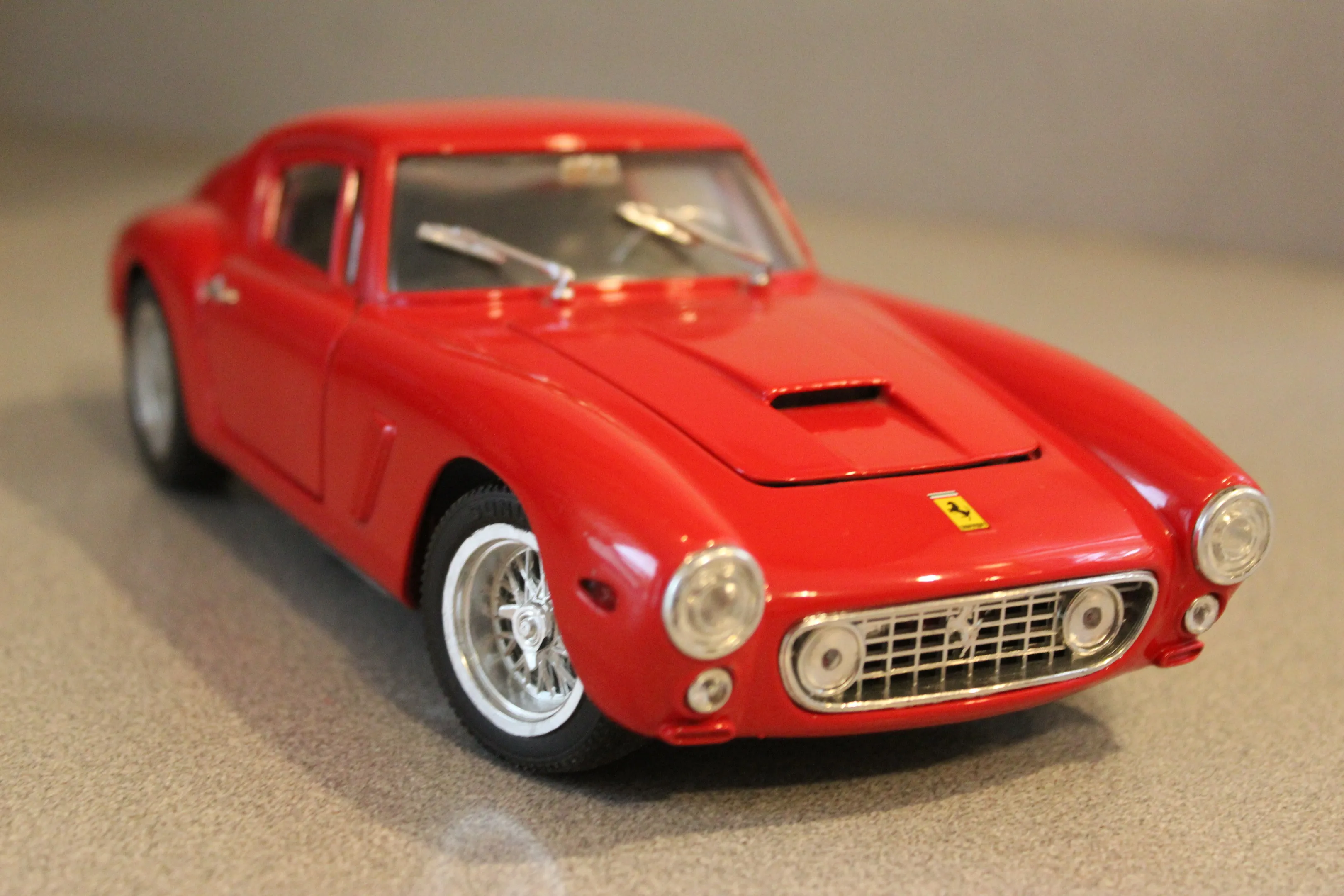
What Makes High-Quality Diecast Cars?
High-quality diecast cars are more than just toys; they are miniature works of art that capture the essence of real-life vehicles. The allure of these models lies in their intricate detailing, authentic designs, and the craftsmanship that goes into their creation. Understanding the features that define high-quality diecast cars is essential for both seasoned collectors and those new to the hobby. These cars offer a tangible connection to automotive history and design, and the best ones provide a premium experience that goes beyond simple playthings. The attention to detail, the materials used, and the overall execution are what set these models apart, making them prized possessions for enthusiasts around the world.
Materials Used in High-Quality Diecast Cars
The materials employed in crafting high-quality diecast cars significantly impact their durability, appearance, and overall value. These materials are carefully selected to ensure both aesthetic appeal and structural integrity. The use of premium materials is a hallmark of quality, reflecting a commitment to excellence and longevity. From the metal used for the body to the specific types of paint and other components, each element is chosen to contribute to the overall premium feel and look of the model. Understanding the materials is important for appreciating the value of a high-quality model.
Diecast Metal Construction

The foundation of a high-quality diecast car is the diecast metal used for its body. This alloy, typically zinc, is poured into molds under pressure, a process that allows for intricate detailing and precise shapes. The metal provides weight and a solid feel, contributing to the realism of the model. This construction method allows for fine details such as panel lines, door handles, and other exterior features to be accurately reproduced. The use of diecast metal also ensures durability, making these models resistant to damage and able to withstand the test of time, making them ideal for collectors. (diecast-metal-construction.webp)
Plastic and Rubber Components
While diecast metal forms the core, other materials like plastic and rubber are used for various components. Plastic is often used for interior details, such as dashboards, seats, and steering wheels, allowing for intricate designs and textures. Rubber is primarily used for tires, providing a realistic look and feel. The quality of these materials is crucial. High-quality plastics are durable and resistant to fading, while the rubber tires should have realistic tread patterns and a natural appearance. The combination of these materials enhances the overall realism of the model and contributes to its premium feel.
Paint and Finish Quality
The paint and finish of a diecast car are critical to its visual appeal. High-quality models feature meticulously applied paint, often using multiple layers to achieve depth and realism. The paint should be smooth, even, and free of imperfections, accurately replicating the colors and gloss of the real car. The finish is often protected by a clear coat, which adds shine and protects the paint from scratches and wear. The quality of the paint job significantly impacts the model’s overall value and collectibility. A flawless paint job is a hallmark of a premium diecast car, enhancing its visual impact and collectibility.
Detailed Paint Application

Detailed paint application involves more than just the base color. It includes the use of multiple colors, shading, and highlighting to replicate the complex paint schemes of real cars. This can include the application of stripes, logos, and other markings with precision and accuracy. The best models use advanced techniques like tampo printing or even hand-painting to achieve incredibly fine details. This meticulous attention to detail is what elevates a diecast car from a simple toy to a true work of art, showcasing the manufacturer’s dedication to authenticity and realism. (detailed-paint-application.webp)
Durability of Paint and Finish
Durability is another crucial aspect of the paint and finish. High-quality diecast cars use paint that is resistant to fading, chipping, and scratching. The clear coat finish protects the paint from environmental factors and handling, ensuring that the model retains its appearance over time. This durability is essential for collectors, who want their models to remain in pristine condition. The paint and finish should be able to withstand regular handling and display, maintaining their quality for years to come. This focus on durability is a key indicator of the overall quality of the diecast car.
Accuracy of Detailing in High-Quality Diecast Cars
Accuracy of detailing is what truly separates high-quality diecast cars from other models. These details extend far beyond the exterior and include the interior, engine, and chassis. The level of detail reflects the manufacturer’s commitment to authenticity and precision. This attention to detail is what makes the model feel like a miniature version of the real car, captivating collectors and enthusiasts. The more accurate the detailing, the more valuable and desirable the model becomes, making it a true representation of the original vehicle.
Exterior Details

Exterior details include everything from the shape of the body and the placement of the lights to the door handles and badging. High-quality models accurately replicate these details, ensuring that the model is a faithful representation of the original car. This includes accurately shaped headlights, taillights, and grilles, as well as correctly positioned mirrors and emblems. Panel lines should be sharp and well-defined, and the overall proportions of the car should be accurate. The accuracy of the exterior details is essential for creating a realistic and visually appealing model.
Interior Features
Interior features are equally important. High-quality diecast cars often feature detailed interiors, including accurately modeled dashboards, seats, steering wheels, and consoles. The materials used should resemble those found in the real car, and the colors should be accurate. Details such as gauges, seatbelts, and even the stitching on the seats can be meticulously replicated. Opening doors and other functional features enhance the model’s realism and allow collectors to further appreciate the interior details. This level of detail adds significantly to the overall value and appeal of the model.
Engine and Chassis
The engine and chassis are areas where high-quality models often excel. The engines are often highly detailed, with accurate representations of the various components, such as the engine block, intake manifold, and exhaust system. The chassis should also be detailed, with realistic representations of the suspension, exhaust, and other undercarriage components. Some models even feature removable engine covers, allowing collectors to fully appreciate the engine details. The attention to these details is a mark of quality, enhancing the overall realism and desirability of the model.
Realistic Wheels and Tires

Realistic wheels and tires significantly impact the overall look of the diecast car. High-quality models feature wheels and tires that accurately represent the originals, including the correct size, style, and tread pattern. The wheels may include details such as brake rotors, calipers, and lug nuts. The tires should be made of a high-quality rubber that accurately represents the appearance and texture of real tires. Attention to these details is crucial for creating a realistic and visually appealing model, contributing significantly to the overall quality and collectibility of the diecast car. (realistic-wheels-and-tires.webp)
High-Quality Diecast Cars Scale and Proportion
Scale and proportion are fundamental aspects of high-quality diecast cars, as they determine the model’s accuracy and realism. The scale refers to the ratio between the size of the model and the real-life vehicle, while proportion refers to the relative sizes of the different parts of the car. These elements must be accurate for a diecast car to be considered high quality. A model with correct scale and proportions will more accurately reflect the original car, thus increasing its aesthetic and collectibility value. Precise attention to these two factors is essential for creating a truly impressive and realistic miniature replica.
The Importance of Correct Scale
The scale of a diecast car is typically expressed as a fraction, such as 1:18, 1:24, or 1:43. This indicates that the model is 1/18th, 1/24th, or 1/43rd the size of the real car. Different scales are popular among collectors, with 1:18 being a common choice due to its balance of detail and size. The correct scale is essential for ensuring that the model accurately represents the real car. It affects the overall appearance, the level of detail that can be included, and the model’s compatibility with other items in a collection. Accurate scale also impacts the perceived value of the model.
Proportional Accuracy and Detailing

Proportional accuracy refers to the correct relative sizes of the different parts of the car. This includes the length, width, height, and the sizes of elements like the wheels, windows, and interior components. High-quality models prioritize proportional accuracy, ensuring that all these elements are in the correct relationship to each other. This accuracy is achieved through meticulous research and design, often using blueprints and photographs of the real car. Precise detailing of the car’s features enhances its aesthetic appeal and overall value. (diecast-car-scale-and-proportion.webp)
Value and Collectibility of High-Quality Diecast Cars
The value and collectibility of high-quality diecast cars are influenced by several factors, including the rarity, the manufacturer, and the condition of the model. High-quality models often appreciate over time, particularly those that are rare or limited editions. Understanding these factors is important for both collectors and those looking to start a collection. High-quality models are seen as miniature investments, and the value can increase dramatically depending on the model’s features and the market demand.
Factors Affecting Value
Several factors can affect the value of a diecast car. The manufacturer’s reputation plays a significant role, with models from well-known brands often commanding higher prices. The level of detail, the materials used, and the overall quality of the model are also important. Rarity is a major factor, with limited-edition models typically being more valuable. The condition of the model is critical; mint-condition cars are generally worth more than those with damage or wear. The availability of the original packaging and documentation can also increase value. The model’s historical significance or association with a famous car or event can also increase its value. (collectible-diecast-cars.webp)
Rarity and Limited Editions

Rarity and limited editions are key drivers of value in the diecast car market. Manufacturers often produce limited runs of specific models, making them more desirable for collectors. These models may feature unique paint schemes, special detailing, or other exclusive features. Limited editions can be highly sought after, and their value often increases significantly over time. The scarcity of these models creates a sense of exclusivity and desirability, driving up demand among collectors. The more limited the production run, the more valuable the model is likely to become. (high-quality-diecast-cars-display.webp)
How to Evaluate High-Quality Diecast Cars
Evaluating high-quality diecast cars involves assessing several key features to determine their overall quality and value. This process requires a careful examination of the model’s details, materials, and overall craftsmanship. By knowing what to look for, collectors can make informed decisions and ensure they are acquiring models of the highest quality. From paint to detailing to the overall feel of the model, there are many facets to consider. Careful evaluation ensures that you choose a model that meets your standards and provides lasting value.
Researching Manufacturers and Models
Researching manufacturers and specific models is a crucial step in evaluating high-quality diecast cars. Learning about the reputation of different manufacturers can help you assess the quality and value of their models. Researching specific models will allow you to learn about their features, production numbers, and historical significance. Reading reviews, comparing different models, and consulting with other collectors can also provide valuable insights. Reliable information sources include manufacturer websites, collector forums, and specialized publications. This in-depth knowledge allows you to make informed decisions and enhance your appreciation for the models. (diecast-car-evaluation.webp)