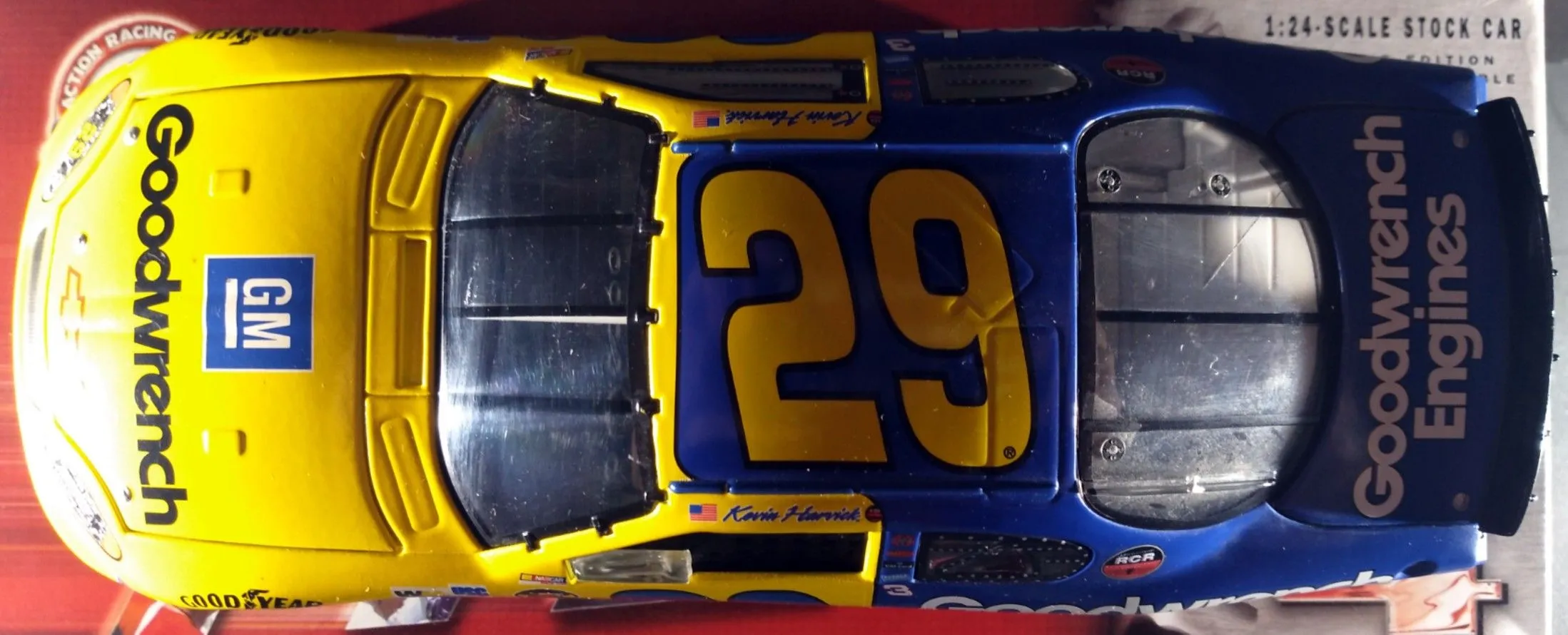
What is a Nascar Diecast Database
A Nascar diecast database is an organized collection of information about your Nascar diecast cars. It’s a valuable tool for any collector, providing a centralized location to store details about your models, track their value, and manage your collection effectively. This database can range from a simple spreadsheet to more complex software, offering varying degrees of functionality. Essentially, it helps you keep track of what you have, what you paid for it, its condition, and potentially its current market value. Building a database is more than just recording information; it is about cultivating a deeper appreciation for your collection.
Benefits of Using a Nascar Diecast Database
The advantages of maintaining a Nascar diecast database are numerous. Firstly, it simplifies inventory management. You can quickly see what cars you own, preventing duplicates and helping you remember what you have. Secondly, it aids in determining the value of your collection. Tracking prices paid, condition, and current market trends gives you insights into the worth of your cars, especially if you’re considering selling or insuring them. Moreover, a database helps you track the history of your collection, the dates you acquired each car, and the stories behind them. This adds a sentimental value that goes beyond monetary worth.
Organizing Your Collection

Before you start building your database, take the time to organize your collection. Group your cars by driver, team, year, or any other criteria that makes sense to you. This pre-sorting step will significantly streamline the data entry process. Consider the physical layout of your collection as well. Are your cars displayed, stored in boxes, or a combination of both? Reflecting this organization in your database will make it easier to locate specific models. Proper organization provides you with a better sense of the scope of your collection, helping you to identify gaps and areas where you might want to focus your future acquisitions. This preliminary work is the foundation upon which your database will be built.
How to Build a Nascar Diecast Database
Creating your Nascar diecast database involves several decisions, starting with the platform you will use. There are several tools that can be employed, with varying degrees of sophistication and functionality. The best choice depends on the size of your collection, your technical skills, and your budget. The goal is to choose a solution that allows you to record, search, and analyze information about your collection efficiently. The initial setup might take some time, but it will save you considerable time and effort in the long run. The core objective is to create a system that you can use to track your entire diecast collection.
Choosing Your Database Platform
Selecting the right platform is crucial for the effectiveness of your Nascar diecast database. This decision should be guided by the size and complexity of your collection. Simple collections might be well-suited to spreadsheets, while larger, more intricate collections may benefit from dedicated database software. It is important to choose a platform that you are comfortable using and that aligns with your goals. The platform should be flexible enough to accommodate future growth. Whether you’re a beginner or an experienced collector, the right platform will streamline the process of managing your diecast collection and make the task more enjoyable.
Spreadsheet Software

Spreadsheet software, such as Microsoft Excel or Google Sheets, offers a straightforward, user-friendly approach for building a basic database. They’re easy to learn and readily available. You can customize the columns to include the details most important to you, such as car details, driver, team, and value. This approach is a great starting point for collectors with smaller collections. The simplicity of spreadsheets allows for quick data entry and easy access to your information. While spreadsheets may lack some advanced features, they provide a functional solution to keeping your collection organized.
Dedicated Database Software
Dedicated database software offers a more advanced solution for collectors with large or complex collections. These programs often provide pre-built templates and features specifically designed for diecast car collections. They can include advanced search functions, the ability to add images, and the option to track prices and values over time. Although this software might require a steeper learning curve compared to spreadsheets, the added functionality can make it an excellent choice for serious collectors. It is essential to select software that suits your specific needs, ensuring it can accommodate the details of your collection and meet your data-management goals.
Essential Information to Include
Regardless of the platform, certain details are crucial for any Nascar diecast database. These fields will ensure your collection is well-documented, allowing you to search, sort, and analyze your collection effectively. Be thorough and consistent in the information you enter for each car. This detailed approach is a key to building a reliable and valuable database, allowing you to track your collection over time and make informed decisions about your collecting habits. The more information you collect, the better you will be able to understand and appreciate your collection.
Car Details

Include essential car details like the manufacturer, scale (e.g., 1:24, 1:64), and the specific model name. Specify the year the model was released and any special features or editions. Note the condition of the car (e.g., new, used, mint, damaged) and any unique characteristics or variations. Photographs of each car are highly recommended, as they significantly enhance your database. Car details are critical for proper identification and are used to categorize your collection, making it easier to locate and display information about any specific car. A detailed and accurate record enhances the value of the collection.
Driver and Team
Always include the driver’s name, the team name, and the car’s number. If possible, add the sponsor’s name. Noting the series (e.g., Cup Series, Xfinity Series) and the specific race or event the car participated in adds significant historical context. This information is important for enthusiasts who want to connect their collections with specific races or drivers. The inclusion of this data provides a richer experience, linking your collection to the personalities and events that define Nascar racing. The value of your collection extends beyond just the cars themselves; it is also deeply intertwined with the history of the sport.
Condition and Value
Accurately record the condition of each car. Is it new in the box, or is it used? Note any defects, such as scratches, dents, or missing parts. Regularly update the estimated value of each car. This might involve research on online marketplaces, auction sites, or price guides. Track the purchase price and the date acquired for future reference. By consistently tracking these factors, you can establish a history of your collection’s value over time, which can be useful for insurance purposes, selling decisions, or just pure curiosity. Consistent record-keeping of condition and value will allow you to make more informed decisions about your collection.
Tips for Maintaining Your Database

Maintaining a database isn’t a one-time task; it requires ongoing effort. Regular upkeep ensures your data remains accurate and useful. By consistently updating and backing up your database, you safeguard your investment and ensure its long-term value. Consistency and diligence are the keys to keeping your database useful. A well-maintained database will be a valuable tool in your collection.
Regular Updates
Make it a habit to update your database whenever you acquire a new car. This is the most crucial element of maintaining a useful database. Add new cars and update any existing information, such as current market prices or condition changes. Regular updates will keep the data current and relevant. A schedule for periodic reviews of your existing records can help find and correct any inaccuracies. Setting up a routine for updating your database will make it easier to keep track of your collection.
Backup Your Data
Data loss can happen. To protect your valuable data, regularly back up your database. Store backups in a separate location, such as an external hard drive, cloud storage, or a different computer. This provides insurance in case your primary storage fails or your data is corrupted. Consider backing up your data at least monthly, or even more often if you frequently update your database. Consistent backups provide peace of mind knowing that your hard work will be preserved.
Troubleshooting Common Issues

As you manage your database, you might encounter some common issues. If your database becomes slow or sluggish, consider optimizing your data by removing old or unnecessary entries. If you experience data corruption, restoring from your last backup will be your solution. Ensure your database is properly indexed, especially in larger collections, for faster searching. Regular maintenance and proactive troubleshooting will keep your database functioning smoothly. A bit of attention can prevent the majority of problems, ensuring a better experience.
Starting a Nascar diecast database is an effective strategy for managing and appreciating your collection. By taking the time to build and maintain your database, you will enhance your enjoyment of the hobby and gain valuable insights into your collection. From organizing your cars to keeping track of their value, your database will be a useful tool. Good luck, and enjoy building your Nascar diecast database!