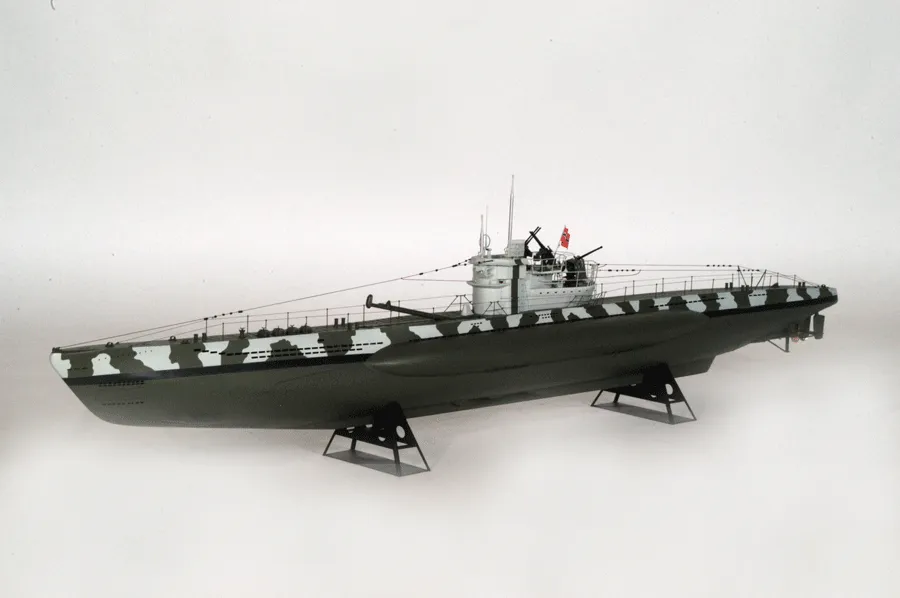
What is a U-Boat Diecast
U-Boat diecast models are meticulously crafted miniature replicas of German U-boats, the submarines that played a crucial role in both World Wars. These models are typically made from diecast metal, offering durability and a realistic feel. They are highly sought after by collectors, history enthusiasts, and model builders alike. The appeal of U-Boat diecast models lies in their ability to capture the intricate details of these historical vessels, from the hull and conning tower to the weaponry and internal structures. Collecting U-Boat diecasts is not only a hobby but also a way to appreciate naval history and the engineering marvels of the early 20th century. These models provide a tangible connection to a significant period in world history.
Scale and Detail Understanding the Basics
Understanding scale and detail is fundamental when starting a U-Boat diecast collection. Scale refers to the ratio between the model’s size and the actual U-boat. Common scales for diecast models include 1:144, 1:350, and 1:700, where the model is 144, 350, or 700 times smaller than the original, respectively. The level of detail in a U-Boat diecast model varies based on the scale and the manufacturer’s craftsmanship. Smaller scales often have less intricate detailing due to size constraints, while larger scales can showcase finer features such as individual rivets, hatches, and deck fittings. When evaluating a model, consider the accuracy of the details, the quality of the paintwork, and the overall finish, which contribute to the model’s realism and value.
Popular Scales for U-Boat Diecast

Several scales are popular among U-Boat diecast collectors, each offering a different balance of detail, size, and cost. 1:144 scale is often favored for its balance between detail and display space. Models in this scale are large enough to showcase intricate details while remaining manageable in size. 1:350 scale is another popular option, offering a slightly smaller size, which allows for a more extensive collection. 1:700 scale is the smallest of the common scales and is ideal for collectors with limited space or those who prefer to build large fleets. Choosing the right scale depends on personal preferences, available display space, and budget. It’s wise to consider which scale best suits your collecting goals.
Factors to Consider Before Buying
Before purchasing a U-Boat diecast model, several factors should be considered to ensure a satisfying collecting experience. One of the most important is the model’s accuracy and historical correctness. Research the U-boat type, its operational history, and the specific features of the model you are considering. Ensure the model accurately represents the original vessel, including details such as the conning tower shape, armament, and camouflage patterns. Additionally, assess the model’s build quality and materials. Diecast metal is the standard material, but the quality of the casting, paint, and decals can vary between manufacturers. Read reviews, compare different models, and consider the overall reputation of the brand.
Material and Build Quality
The material and build quality of a U-Boat diecast model significantly impact its durability and aesthetic appeal. Diecast metal is the primary material used for these models, providing a solid and weighty feel. The quality of the diecast process affects the model’s finish and the clarity of its details. Look for models with a smooth, even surface, free of imperfections like air bubbles or rough edges. Paint quality is another critical factor. High-quality paint should be applied evenly, with accurate colors and realistic weathering effects. The assembly of the model should be precise, with all parts fitting securely and without gaps. Well-built models will not only look better but will also withstand handling and display more reliably.
Historical Accuracy

Historical accuracy is a crucial aspect of a U-Boat diecast model, especially for serious collectors and history enthusiasts. Accurate models faithfully represent the specific U-boat they are modeled after, including details such as the hull design, conning tower configuration, armament, and camouflage patterns. When evaluating a model’s historical accuracy, research the original U-boat, its operational history, and its distinctive features. Compare the model to photographs and technical drawings of the actual vessel. Pay attention to details such as the presence and type of anti-aircraft guns, the design of the periscopes, and any unique modifications made during the U-boat’s service. Manufacturers often include detailed information about the U-boat represented, so use this as a starting point for your research.
Finding the Right Seller
Finding the right seller is essential for a successful U-Boat diecast collecting experience. The seller’s reputation, customer service, and pricing all play crucial roles. Reputable sellers often provide detailed product descriptions, including information about the model’s scale, materials, and historical accuracy. They also offer clear photographs of the model from various angles, allowing you to assess its condition and details before purchase. Check the seller’s return policy and warranty to protect yourself against potential defects or damages. Compare prices from different sellers, but remember that the lowest price is not always the best value. Consider factors such as the seller’s shipping costs, customer reviews, and overall trustworthiness before making a purchase. Online marketplaces and specialty shops are the most common sources.
Online Marketplaces
Online marketplaces such as eBay and Amazon offer a vast selection of U-Boat diecast models from various sellers. These platforms provide convenience and a wide range of options. When purchasing from online marketplaces, carefully review the seller’s feedback and ratings to assess their reliability. Read the product description thoroughly and examine the photographs closely to understand the model’s condition and details. Inquire with the seller for additional information or clarification before purchasing. Check the marketplace’s buyer protection policies to ensure you are covered in case of issues such as damaged goods or misrepresentations. Be aware of the prices and be ready to compare different offers. The marketplace can be a great resource for finding rare or out-of-production models.
Specialty Shops

Specialty shops, both online and brick-and-mortar, often offer a more curated selection of U-Boat diecast models and can be a valuable resource for collectors. These shops typically specialize in model ships, military miniatures, or historical collectibles. They often have a deeper knowledge of the models they sell and can provide expert advice and assistance. Specialty shops usually have good reputations and ensure high-quality products. Before making a purchase from a specialty shop, explore their online presence or visit their physical store. Assess their customer service, return policies, and the availability of the models you are interested in. Check whether the shop offers any exclusive models or rare items, which are common in specialty shops. Building a relationship with a reputable specialty shop can enhance your collecting journey.
Collecting Your First U-Boat Diecast
Starting a U-Boat diecast collection can be an exciting and rewarding experience. Begin by educating yourself about different U-boat types, scales, and manufacturers. Then, decide on a specific area of focus for your collection. This could be a particular type of U-boat, a specific scale, or a particular historical period, like the U-boats of the Battle of the Atlantic. Consider the availability and cost of models in your chosen area of focus, and set a budget for your initial purchases. Once you have a better understanding of your goals, start browsing online marketplaces, specialty shops, and model shows. Don’t hesitate to ask questions to sellers, do your research, and compare models to determine which ones best suit your interests and budget. Remember, the most important thing is to find models that you enjoy and that spark your interest in naval history.
Choosing Your First Model
Choosing your first U-Boat diecast model is a significant decision. Start by selecting a model that appeals to your personal interest. You could start with a model of a famous U-boat, such as U-96 or U-47, or choose a model based on a particular historical event, like the sinking of the Lusitania. Consider the scale, ensuring that the model is an appropriate size for display and storage. Choose a model from a reputable manufacturer known for its quality and accuracy. Read reviews and compare different models before making your final decision. Check the model’s details, such as the level of detail, paint quality, and overall finish. If possible, inspect the model in person at a local hobby shop or model show before purchasing it online. Enjoy the experience of owning your first U-Boat diecast model.
Setting a Budget

Setting a budget is an essential step in starting a U-Boat diecast collection. Determine how much you can comfortably spend on models over a given period. Consider the initial investment and ongoing costs, such as purchasing display cases, cleaning supplies, and potentially, repair materials. Research the average prices of U-Boat diecast models and set a price range for your purchases. Be realistic about your budget and avoid overspending. Set a budget for each model and stick to it. It’s okay to adjust your budget as your collection grows and your interests evolve. By establishing a budget upfront, you can avoid overspending and ensure you continue to enjoy your collection without financial strain. Explore options to get discounts or search for sales.
Displaying and Preserving Your Collection
Displaying and preserving your U-Boat diecast collection is crucial for showcasing your models and protecting them from damage. Display cases, shelves, and other display options can enhance the aesthetic appeal of your collection while keeping your models safe. Proper cleaning and maintenance are essential for preserving the condition of your models. When displaying your models, consider the lighting, background, and arrangement. Use display cases to protect the models from dust, dirt, and accidental damage. Keep your models away from direct sunlight, which can cause fading or discoloration. Regular cleaning and maintenance will ensure your collection stays in good condition for years to come.
Display Cases and Shelves
Display cases and shelves are essential for protecting and showcasing your U-Boat diecast collection. Display cases offer the highest level of protection, keeping your models safe from dust, dirt, and accidental damage. Choose a display case that complements your models and your home decor. Consider cases with glass or acrylic panels, which allow for excellent visibility while providing protection. Shelves are another option, providing more flexibility in arranging your models. Choose shelves that are sturdy enough to support the weight of your models. Consider the size and shape of your models and select shelves that accommodate them. Arrange your models in an aesthetically pleasing way, perhaps by theme, historical period, or U-boat type. Make sure the display enhances your collection.
Cleaning and Maintenance

Regular cleaning and maintenance are essential for preserving your U-Boat diecast models. Dust your models regularly using a soft brush or a microfiber cloth to remove dust and dirt. Avoid using harsh chemicals or abrasive cleaners, which can damage the paint and finish. Use a mild soap solution to clean the models, if necessary, and avoid excessive moisture. Store your models in a cool, dry place, away from direct sunlight and extreme temperatures. Regularly inspect your models for any signs of damage or wear, such as loose parts or fading paint. Repair any minor damage promptly. By following these maintenance tips, you can ensure your collection remains in excellent condition for many years, allowing you to enjoy the hobby and display your U-Boat diecast collection.